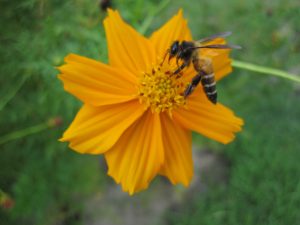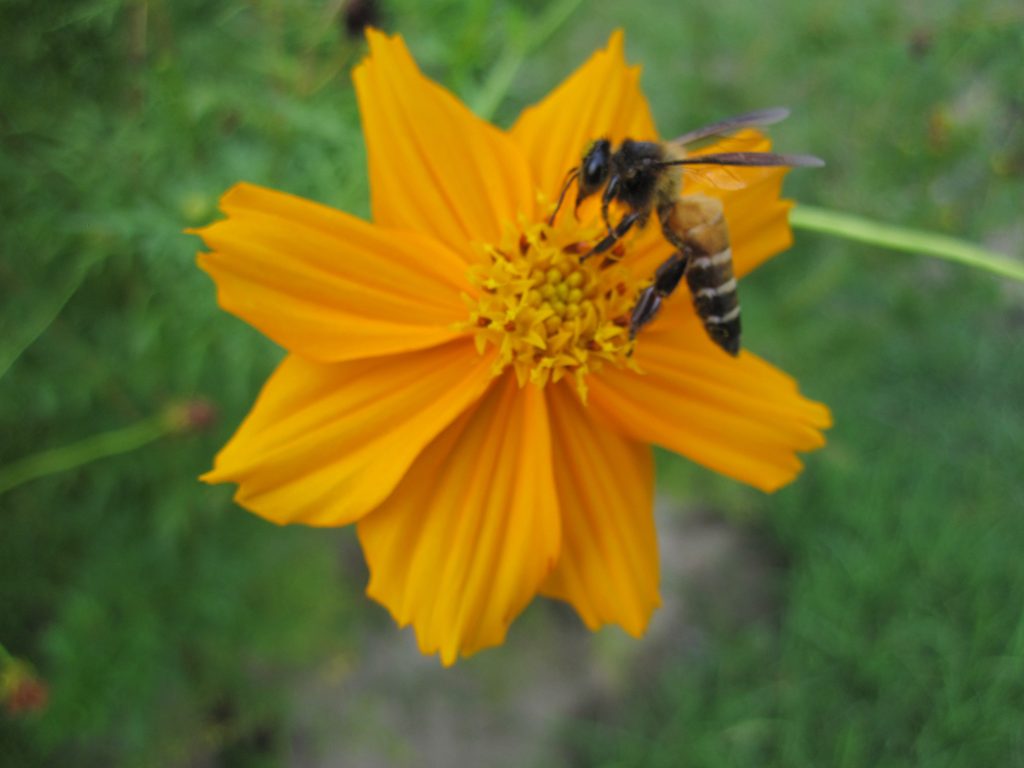
Consciously or not, a myriad of organisms, particularly flower-foraging insects like bees, wasps, butterflies, moths, flies, beetles, and even cockroaches, contribute significantly to the delicate balance essential for human survival. Serving as pollinators, predators, pests, and energy sources during various life stages, these insects occupied more than 180000 specie, and play pivotal roles in both bio-economic and ecological services. Among them, flower-visiting insects engage with plant species, seeking food, mates, shelter, or nest-building materials. The majority of flowering plant species rely on insect pollination, understanding the flexible and complex foraging behaviors of these insects becomes crucial in appreciating the intricacies of the natural world. Pollination, a mesmerizing co-evolutionary dance spanning millions of years, involves a nuanced interplay between flowering plants and their pollinators. The intricate process reveals the discerning preferences of pollinators for the most rewarding flowers, finely tuned by diurnal shifts in nectar availability. The strength of the pollinator response is heightened when nectar rewards come into play. Interestingly, factors beyond protein concentration, such as plant allocation trade-offs or the presence of secondary metabolites in pollen, influence the frequency of pollinators visiting flowers with higher pollen quality. Nectar emerges as a central force shaping insect preferences in this dynamic system, highlighting the fascinating subtleties orchestrating the timeless dance of pollination in the natural world.
How to ignore their importance? Hundreds of flower-foraging insect species engage in the vital task of pollinating various plants, a role that supports approximately 80% of commercial crops, contributing a staggering $300 billion to the global economy each year. Beyond their economic significance, these insects provide alternative livelihood resources and play a crucial role in mitigating climate impact. Acknowledging our responsibility toward these indispensable contributors underscores the imperative of preserving their habitats and ensuring their continued participation in sustaining the delicate web of life. In addition to their pollination services, these insects supply half of the world’s fibers, oils, and other raw materials, offering a wide array of essential products such as honey, royal jelly, pollen, and beeswax. Beeswax, historically used for waterproofing and fuel, now holds health benefits and features prominently in skincare products. Moreover, these insects contribute to pharmaceutical industries through products like propolis and honey bee venom, as well as traditional medicine, where honey is utilized for a variety of conditions, despite some uses lacking scientific backing.
Acting as moderators of biodiversity enrichment, flower-foraging insects establish significant mutualistic relationships that sustain both plant diversity and the diversity of foraging species. These relationships span from complete obligate connections, where specific species rely on particular flowers for breeding or sustenance, to facultative relationships, where species with versatile diets obtain nutrition from various flowers. This intricate network of mutualisms strengthens the resilience and abundance of plant communities, fostering diverse foraging behaviors among animal species. Emphasizing the significance of these symbiotic partnerships, particularly in preserving the overall health and balance of ecological systems, underscores the intricate interplay within ecosystems. Bees, as pollinators, play a key role in supporting the growth of trees, flowers, and plants, contributing to complex, interconnected ecosystems that allow diverse species to coexist. In our globally fragmented landscape, where habitats are frequently disturbed, pollinators are essential for the reproductive cycles of wild plants, ensuring the transfer of pollen. The decline of pollinators due to habitat loss threatens insect pollination services, impacting not only plant diversity but also global climate regulation, oxygen production, and the water cycle. Recognizing the interconnectedness of these processes underscores the importance of preserving both plant and pollinator populations for the health of our planet.
Threats to the survival of lives: The essential ecosystems reliant on flower foraging insects particularly on pollinators face imminent peril due to human-induced habitat disruptions, resulting in a profound loss of biodiversity. The alarming decline in pollinator populations is attributed to the critical loss of feeding and nesting habitats, exacerbated by pollution, chemical misuse, diseases, and changing climatic patterns. Encroachments from agricultural expansion, urbanization, and human habitation further strip pollinators of diverse plant species essential for their well-being. Monoculture, expansive urban landscapes, and manicured lawns prove inadequate in providing the necessary plant variety. Global trade compounds the crisis by introducing non-native threats like destructive mite, posing a severe risk to honey bee populations. Pesticides, herbicides, and insecticides worsen the challenges, directly impacting pollinators’ survival and overall health. The complex array of threats emphasizes the urgent need for comprehensive conservation efforts to preserve the irreplaceable role of pollinators in maintaining ecological balance. Concurrently, climate change disrupts the harmonious relationship between bees and plants, while natural disasters underscore the need for conservation to protect pollinators’ pivotal role in sustaining biodiversity. The global trend of ecological homogenization accentuates the ongoing loss of rare and specialized species within pollinator communities, underscoring the importance of addressing these changes promptly.
We can do: The Intergovernmental Science-Policy Platform on Biodiversity and Ecosystem Services (IPBES), led by the Convention on Biological Diversity in collaboration with UNEP, UNESCO, FAO, and UNDP, is committed to assessing global biodiversity and ecosystem services. Both nationally and internationally, numerous action plans have been formulated to address the critical pollinator crisis. Essential organizations like the Global Biodiversity Information Facility and the Integrated Taxonomic Information System collect and disseminate information on global biodiversity and wild bees. The International Commission for Plant-Pollinator Relationships facilitates research collaboration, and international organizations like the International Bee Research Association, Apimondia, and SuperB, coordinated by Europe, provide crucial pollinator information. The European Commission supports research projects such as ALARM, STEP, LIBERATION, POSHBEE, QUESSA, and BIO-BIO, generating valuable datasets on pollinators. In the United States, initiatives like the National Pollinator Garden Network and Pollinator Awareness through Conservation and Education Initiative collaborate to protect pollinators. Red Lists on wild bees in various countries underscore the global commitment to safeguarding these essential species. Individuals can contribute by transforming lawns into pollinator-friendly gardens, minimizing pesticide use, and supporting local beekeepers. Creating a pollinator-friendly environment involves diverse habitat opportunities, continuous food supply, and minimizing pesticide use, contributing to broader ecological conservation efforts and recognizing the pivotal role of pollinator-friendly practices in preserving our natural world.
The context of Bangladesh at a glance: A significant knowledge gap exists in understanding the long-term population trends of pollinators, reflecting challenges in studying these essential species. Limited taxonomic expertise contributes to the poor knowledge of population trends in various pollinator groups, molecular approaches in taxonomic confirmation have been utilized very recently. However, notable efforts are underway to promote sustainable practices for pollinators and their habitats. Scientific research plays a crucial role in comprehending pollinator populations, while initiatives like crop diversification aim to create a diverse and pollinator-friendly agricultural landscape. Policy initiatives seek to integrate pollinator conservation into broader environmental and agricultural policies, and support for beekeeping provides economic opportunities while preserving pollinator populations. Educational programs contribute to building a knowledgeable and engaged community, and efforts to reduce pesticide use mitigate the impact of harmful chemicals on pollinators. Habitat restoration projects work towards creating and maintaining environments conducive to pollinator well-being, and ongoing research and monitoring activities ensure the adaptation of conservation strategies. International agreements emphasize collaboration and shared responsibility in pollinator conservation. Notably, in Bangladesh, the state-owned Bangladesh Small and Cottage Industries Corporation (BSCIC) and non-governmental organizations like the Bangladesh Rural Advancement Committee (BRAC), Proshika, and Palli Karma-Sahayak Foundation (PKSF) play pivotal roles in honeybee colony production for honey and crop pollination. The increasing commercial rearing of honey bees, along with awareness initiatives like World Bee Day and National Pollinator Week, reflects a commendable start in creating a more sustainable and pollinator-friendly environment in Bangladesh. Efforts also include research to identify climate-stress tolerant plant species, emphasizing natural pollination and fertilization methods, contributing to sustainable agricultural practices in the country.
Information Resources:
Amin, M.R., Hossain, M.S., Suh, S.J. and Kwon, Y.J. 2014. Conservation and utilization of insect pollinators for promotion of agricultural production in Bangladesh. Current Research on Agriculture and Life Sciences, 32(4):171-174.
Baksha, M. W. 2002. The prospect of beekeeping of upland farming system in the CHT. In: Khan, N. A., Alam, M. K. and Khisa, S. K. (Eds.). Farming practices and sustainable development in the Chittagong hill tracts. CHTDB, Govt. ofBangladesh and VFF – IC, Swiss Agency for Development and Cooperation, 221-228 pp.
Bhuiya, B. A. and Miah, M. I. 1990. A Preliminary report on the bees (Hymenoptera: Apoidea) of Chittagong, with briefbiological notes. -Chittagong University Studies, Part II: Science, 14 (2): 61-7
Bhuiya, B. A. and Pasha, M. K. 2014. Diversity of flower visiting insects of crops in Bangladesh. LEPCEY – The Journal of Tropical Asian Entomology, 03 (1): 34-42.
BPO. 2023. Protecting Pollinators. https://butterflies.org/research-and-conserve/protecting-pollinators/
Bureau of Land Management. 2022. Strategic Plan for Pollinator Conservation. U.S. Department of the Interior, Bureau of Land Management, Division of Wildlife Conservation, Aquatics, and Environmental Protection, Lakewood, CO.
CBD. 2015. Fifth National Report of Bangladesh to the Convention on Biological Diversity. https://www.cbd.int/doc/world/bd/bd-nr-05-en.pdf
Forest Service U.S. Department of Agriculture. Why is Pollination Important? https://www.fs.usda.gov/managing-land/wildflowers/pollinators/importance
Fowler, R.E., Rotheray, E.L. and Goulson, D. 2016. Floral abundance and resource quality influence pollinator choice. Insect Conservation and Diversity, 9(6): 481-494.
GSE. 2023. The Why, What, When, Where, Who, How of Pollination. https://gardens.si.edu/gardens/pollinator-garden/why-what-when-where-who-how-pollination/
Hasnat, G.T. and Bhadouria, R. 2023. Prediction of land cover changes of Khagrachhari Hilly Upazila using artificial-neural-network-based cellular automata model. In Understanding Soils of Mountainous Landscapes (pp. 325-343). Elsevier.
Hossain, M.K. 2016. Bangladesh national conservation strategy biodiversity: Flora. Ministry of Environment and Forests, GoB, Dhaka.
ICIMOD, 2017. Beekeeping in the Chittagong Hill Tracts, Bangladesh: A Success Story. https://www.icimod.org/beekeeping-in-the-chittagong-hill-tracts-bangladesh-a-success-story/
Kaur, N. and Kaleka, A.S. 2022. Diversity, importance and decline of pollinating insects in present era. https://www.intechopen.com/chapters/78872
Mazumdar, S. 2017. Bangladesh need to reduce loss of pollinators.https://www.daily-sun.com/post/196329/Bangladesh-need-to-reduce-loss-of-pollinators
Mazumdar, S., Bhuiya, B. A. and Pasha, M. K. 2010. A checklist of foraging and pollinating insects visiting seasonal crops of Bangladesh. Journal of Taxonomy and Biodiversity Research, 4: 35-40.
Mazumdar, S., Hebert, P. D. N. and Bhuiya, B. A. 2021a. Exploring the Aculeata Hymenoptera of Bangladesh by DNA barcoding of Malaise trap collection. Munis Entomology & Zoology, 16 (1): 457-464
Mazumdar, S., Hebert, P.D.N. and Bhuiya, B.A. 2021b. Investigation of Lepidopterans in Bangladesh by DNA barcoding of malaise trap collection. Munis Entomology & Zoology, 16(1): 296-311.
MOEF. 2018. Nationwide Climate Vulnerability Assessment in Bangladesh. https://moef.portal.gov.bd/sites/default/files/files/moef.portal.gov.bd/notices/d31d60fd_df55_4d75_bc22_1b0142fd9d3f/Draft%20NCVA.pdf
NAPB. 2022. National Adaptation Plan of Bangladesh (2023‐2050). https://www4.unfccc.int/sites/SubmissionsStaging/Documents/202211020942—National%20Adaptation%20Plan%20of%20Bangladesh%20(2023-2050).pdf
NBSAP. 2016. National Biodiversity Strategy and Action Plan of Bangladesh 2016-2021. https://www.cbd.int/doc/world/bd/bd-nbsap-v2-en.pdf
Planet Bee Foundation. 2020. We need bees. https://www.planetbee.org/why-we-need-bees
Pollinator Health Task Force. 2015. National strategy to promote the health of honey bees and otherpollinators.https://obamawhitehouse.archives.gov/sites/default/files/microsites/ostp/Pollinator%20Health%20Strategy%202015.pdf
Review of pollinators and pollination relevant to the conservation and sustainable use of biodiversity in all ecosystems, beyond their role in agriculture and food production. CBD/SBSTTA/22/INF/21. https://www.cbd.int/agro/peer_review_pollinators.pdf
Schatz, B., Maxime, D., Mickael, H., Benoît, G., Fabrice, A., Colette, S., Maxence, G. and Denis, M. 2021. Pollinator conservation in the context of global changes with a focus on France and Belgium. Acta Oecologica, 112, p.103765.
Schmid-Hempel, P. and Wolf, T. 1988. Foraging effort and life span of workers in a social insect. The Journal of Animal Ecology, pp.509-521.
Tadauchi, O. and Alam, M. Z. 1993. Survey of pollinating wild bee fauna on mustard fields in Bangladesh. Bulletin of the Institute of Tropical Agriculture Kyushu University, 16: 91-106.
The Food and Agriculture Organization of the United Nations. 2012. Beekeeping and sustainable livelihoods by Martin Hilmi, Nicola Bradbear and Danilo Mejia, FAO Diversification booklet number 1 (2nd ed.). FAO, Rome
The Food and Agriculture Organization of the United Nations. 2013. Edible insects: Future prospects for food and feed security. https://www.fao.org/3/i3253e/i3253e.pdf
The Importance of Pollinators. https://www.usda.gov/peoples-garden/pollinators
UNDP. 2019. CHT Climate Resilience Project (CCRP), Bangladesh. https://info.undp.org/docs/pdc/Documents/BGD/Progress%20Report_CCRP_Jan-Dec%202019_Final.pdf
UNFCCC. 2022. National Adaptation Plan of Bangladesh.(2023‐2050). https://www4.unfccc.int/sites/SubmissionsStaging/Documents/202211020942—National%20Adaptation%20Plan%20of%20Bangladesh%20(2023-2050).pdf
YECAP. 2023. Climate Change Impacts on Chittagong Hill Tracts. https://www.yecap-ap.org/post/climate-change-impacts-on-chittagong-hill-tracts
Dr. Santosh Mazumdar
iBOL Research Fellow
and,
Founder, Environment and Community Development Embed (ENCODE)
Email: mazumdarsantosh@gmail.com
Website: www.encodeworld.org