Programs & Progress
On Going Projects
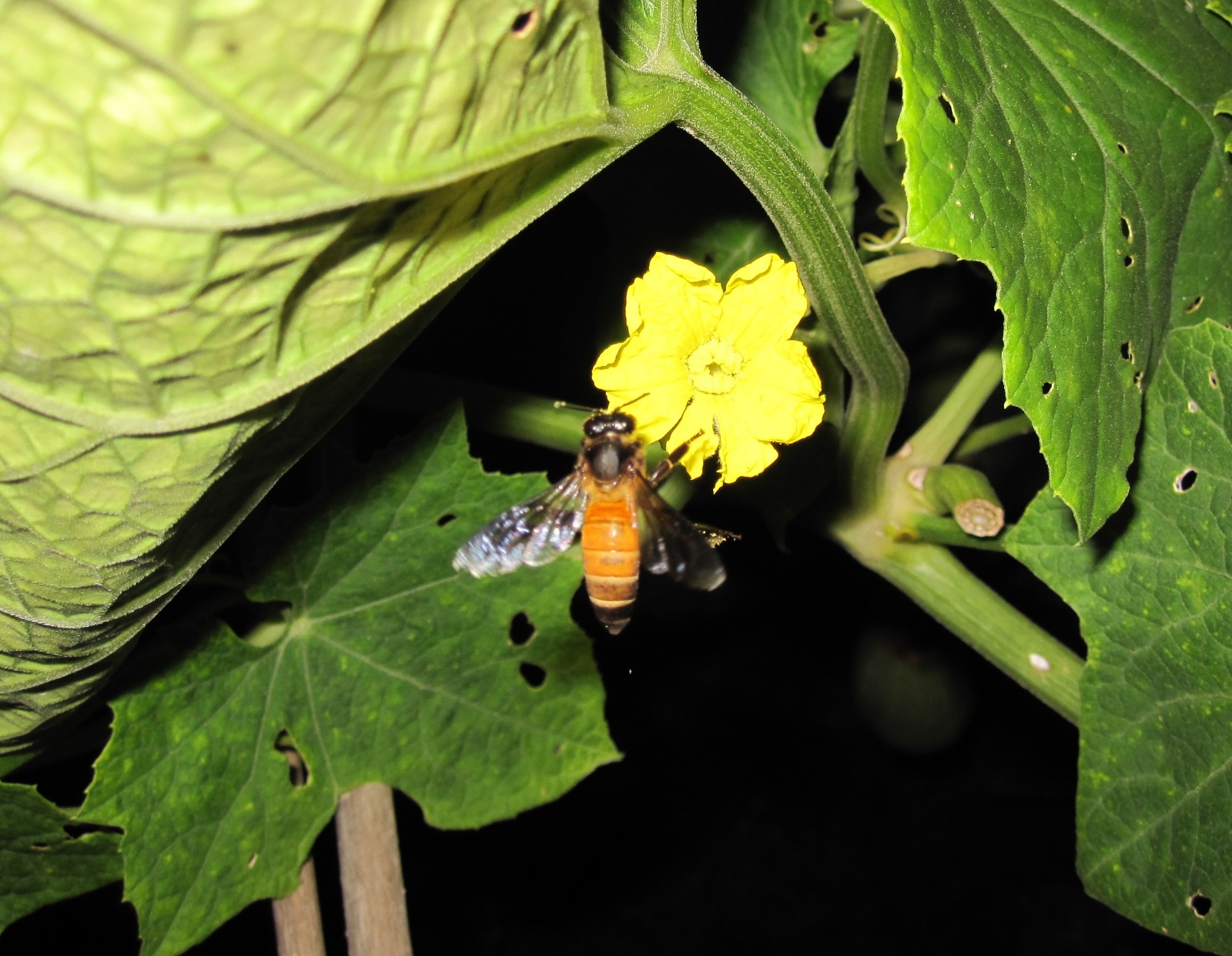
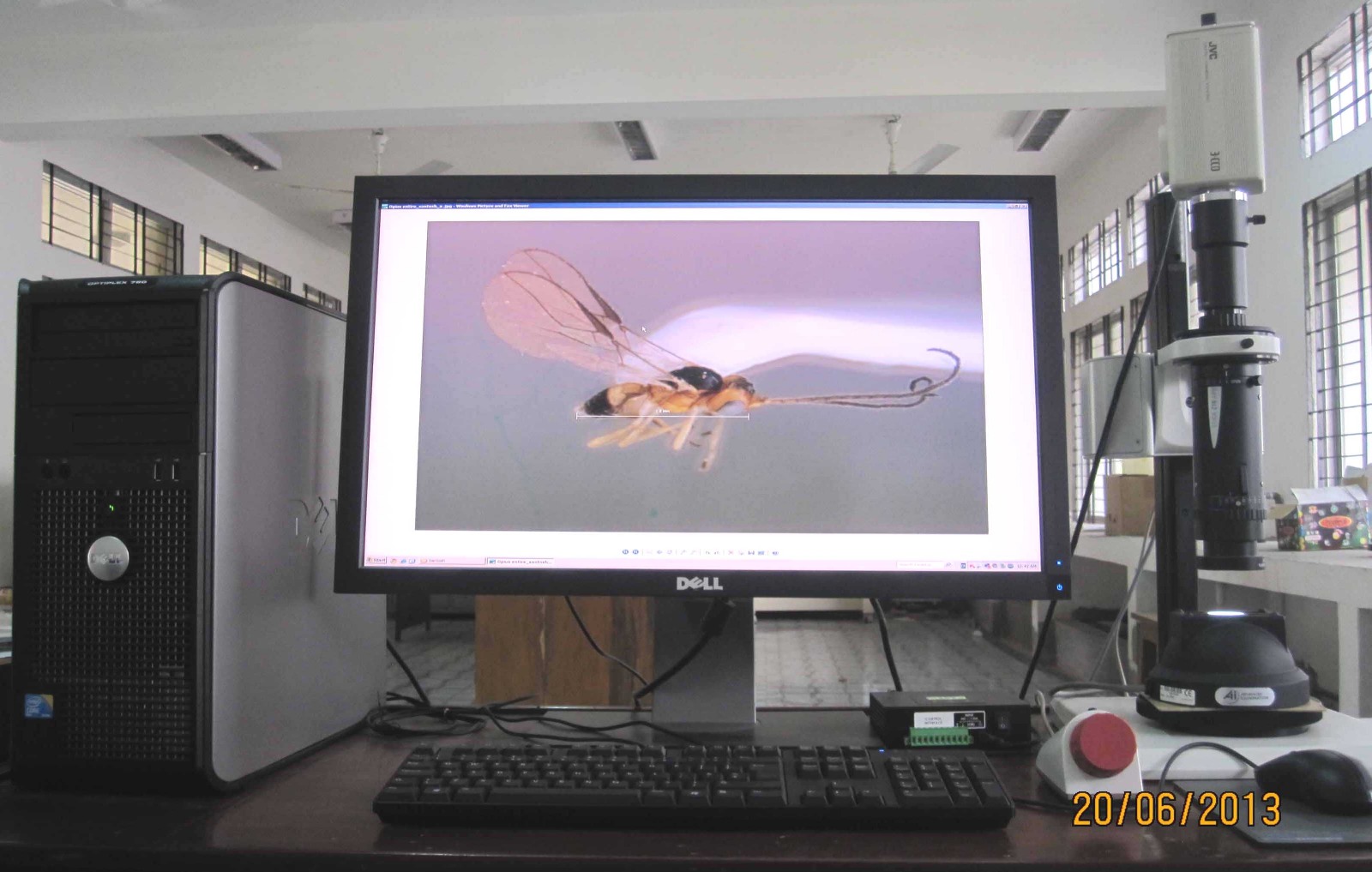
The research study entitled “Method Development for Accelerating the Production of Agar Resin in Agar Plants by Insects”, under the core project “Development of an Improved Agarwood Inoculation Technique”, is being implemented at the Bangladesh Forest Research Institute (BFRI) under the Ministry of Environment, Forest and Climate Change. This study aims to promote sustainable and efficient agarwood production through an integrated biological approach. It seeks to establish a comprehensive taxonomic catalog of agar plants and agar plant-associated insects (APAI) up to species level using morphological identification and DNA barcoding, providing a strong foundation for understanding their biodiversity and interactions. The project also focuses on developing efficient mass-rearing techniques for economically significant APAI to ensure a stable supply for large-scale agar resin production. Additionally, genomic and biochemical analyses of APAI-associated microbiomes will elucidate microbial composition and functional roles in agar resin formation, enhancing economic value and industry sustainability.
The research study entitled “A DNA Barcode Survey of Terrestrial Arthropod Diversity Using Malaise Traps in Diverse Ecoregions of Bangladesh”, conducted under the core project “The International Barcode of Life (iBOL) Project” at the University of Guelph, contributes to the world’s largest biodiversity genomics initiative. As part of a global collaboration involving over 40 nations, this study applies DNA barcoding and systematic Malaise trap sampling to document arthropod diversity across Bangladesh’s varied ecosystems. The research supports the creation of a global reference library for rapid, accurate species identification, helping to reveal species interactions, establish biodiversity baselines, and strengthen planetary biodiversity monitoring for scientific advancement and socio-economic planning.
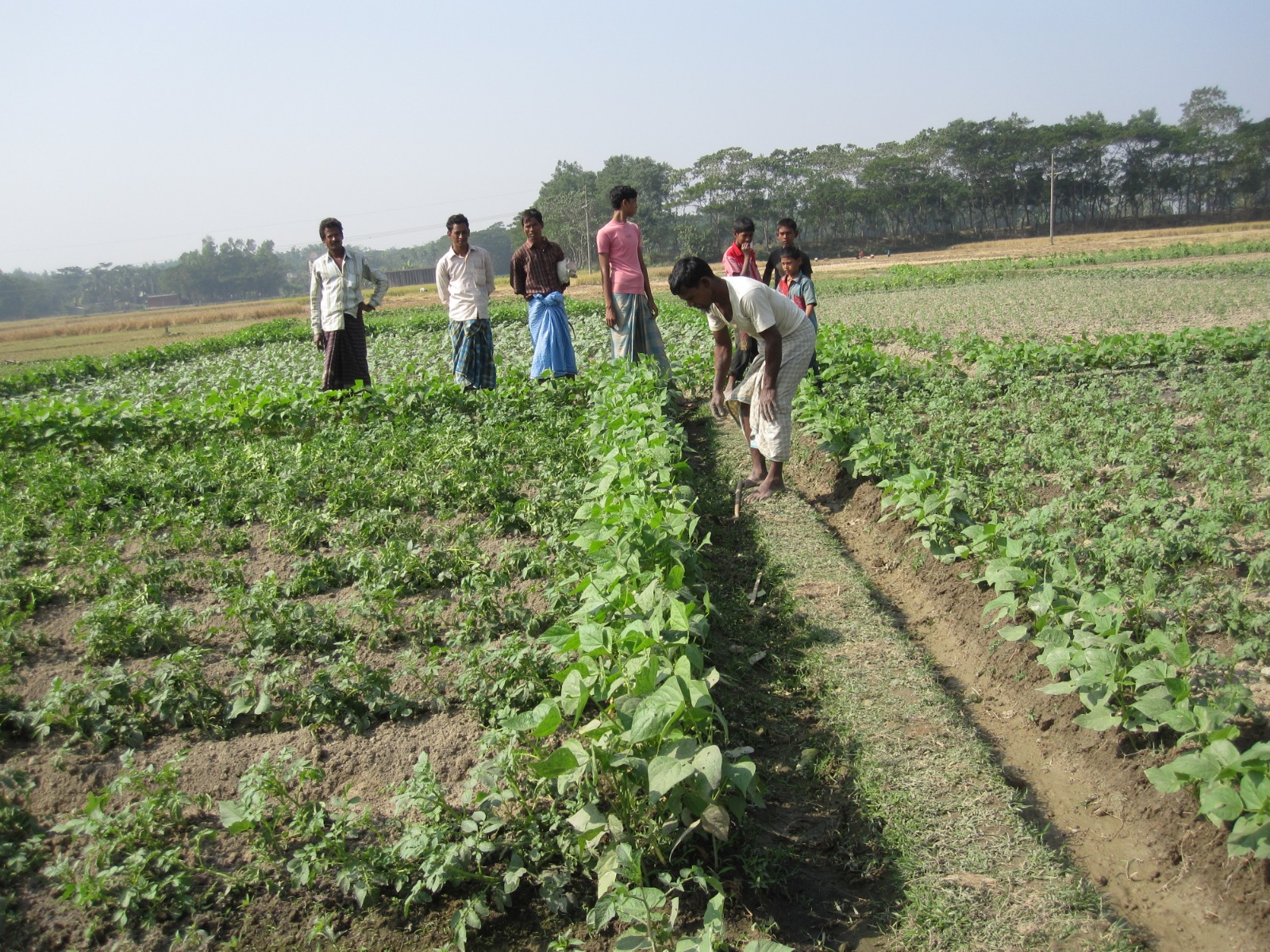
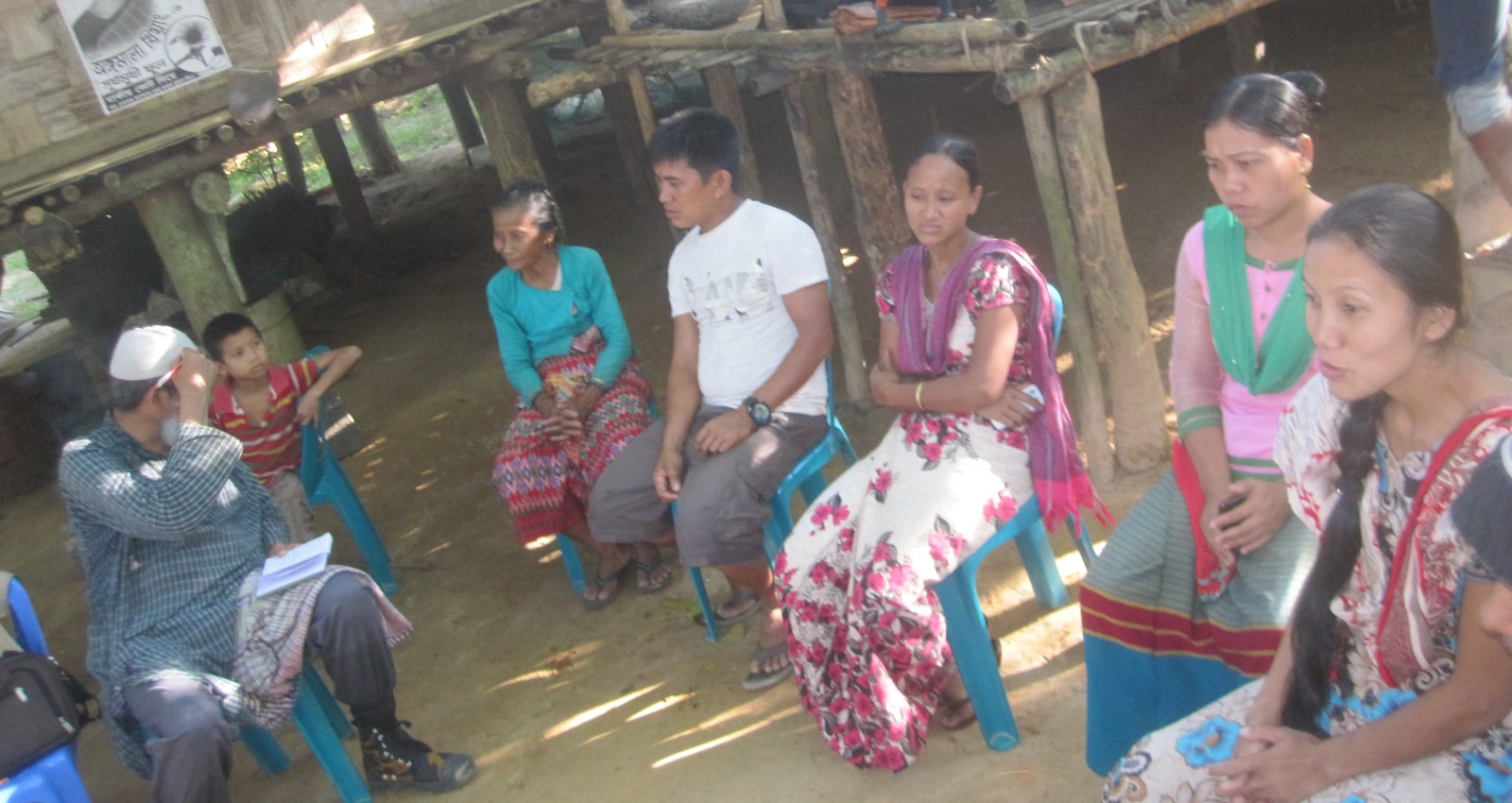
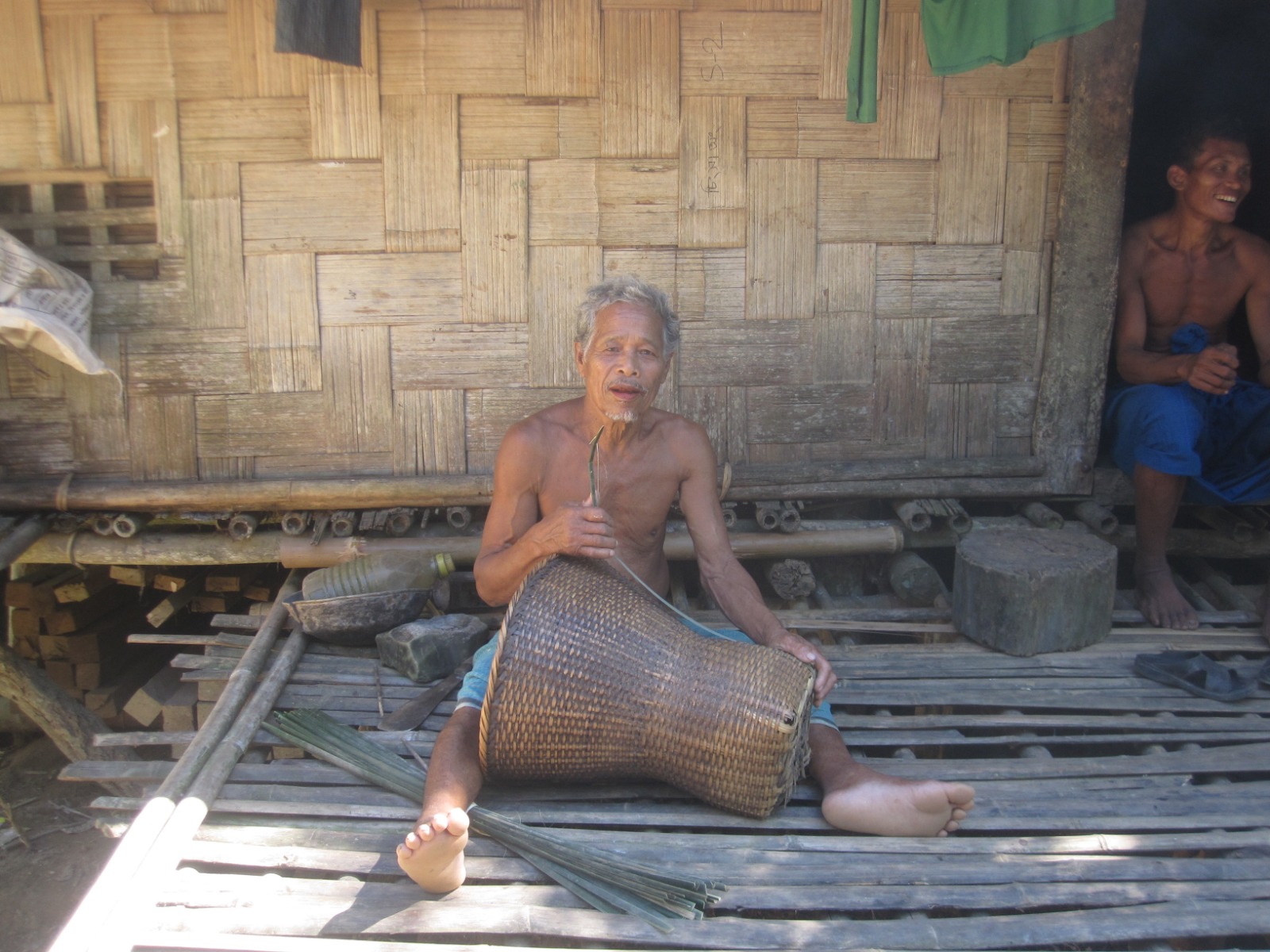
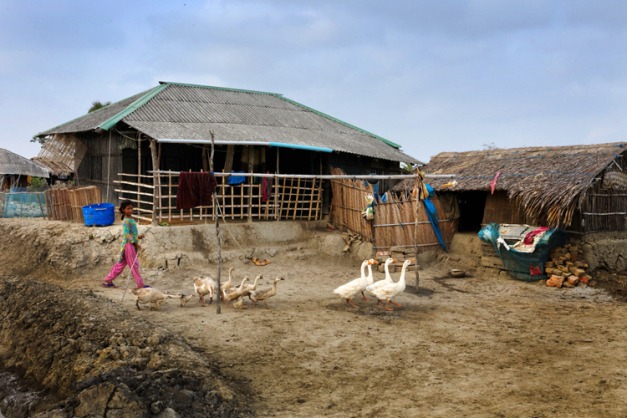
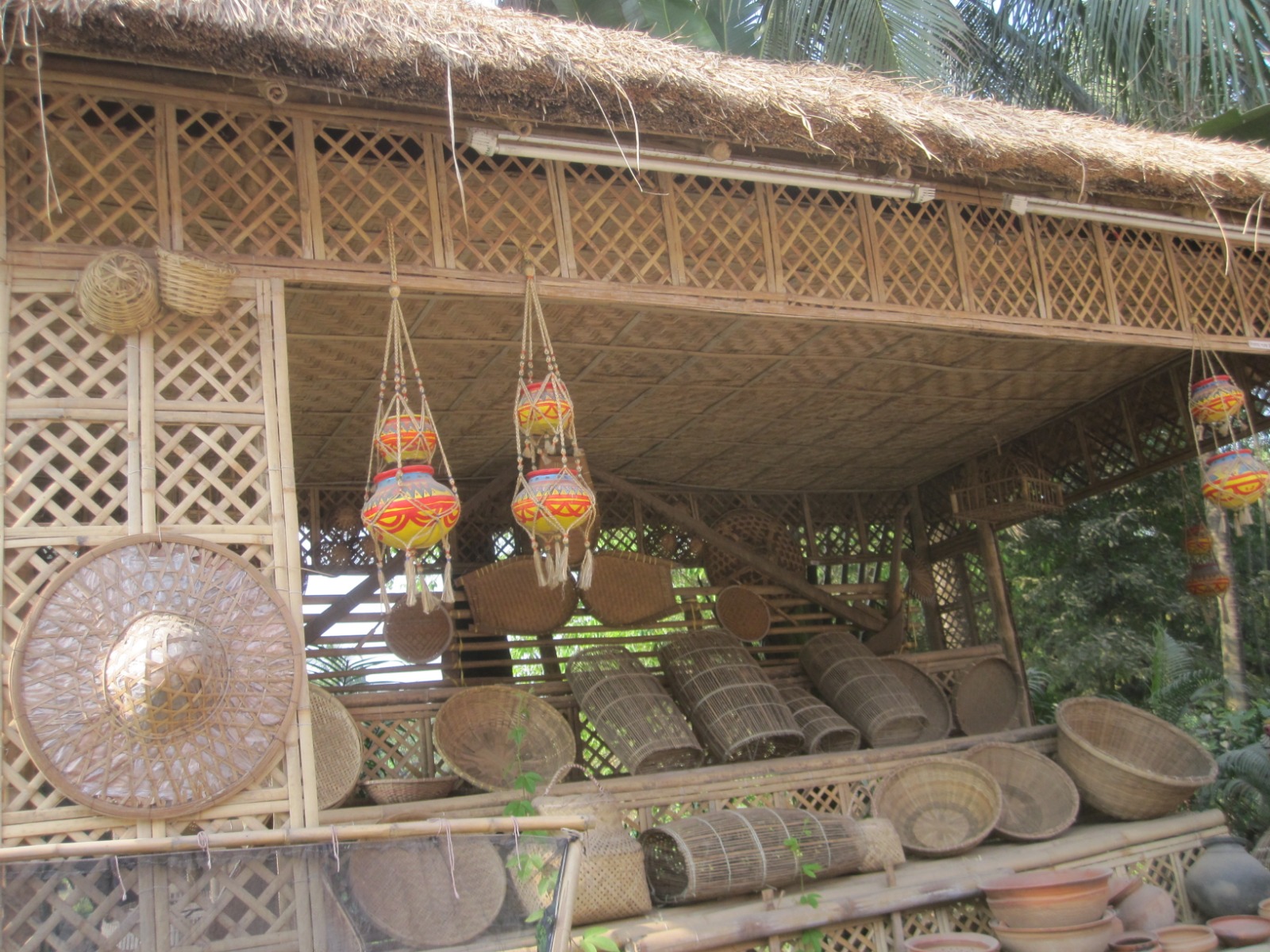
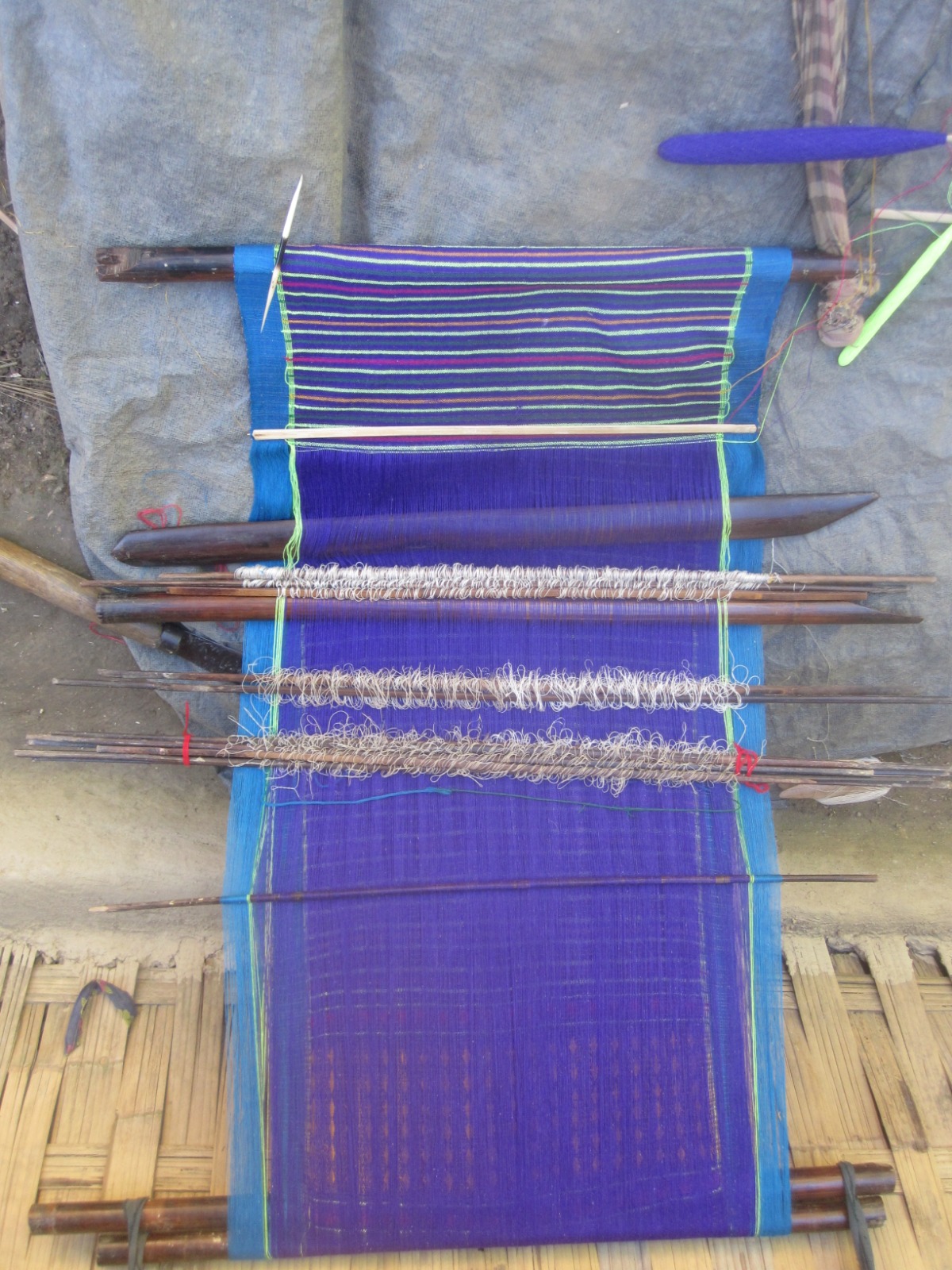
The research study entitled “Eco-Efficient Product Innovation”, self-funded by the Environment and Community Development Embed (ENCODE), focuses on developing environmentally sustainable products that balance ecological integrity with community well-being. Rooted in ENCODE’s philosophy of community development through a healthy natural environment, the study promotes science-driven and renewable use of biodiversity to create eco-friendly solutions in bio-economy innovations, ethical farming, waste management, food processing, and handicrafts. Aligned with Bangladesh Government’s National Priority Targets (NPTs) and the United Nations Sustainable Development Goals (SDGs), the research aims to reduce environmental footprints, enhance resource efficiency, and strengthen resilient livelihoods, contributing to sustainable development for both people and nature.
Allies in Action
Committed to environmental and social development research and services, Dedicated to mitigating the impacts of climate change since 2020.