Innovating Education: Where Tech Meets Nature and Values (ETM Education)

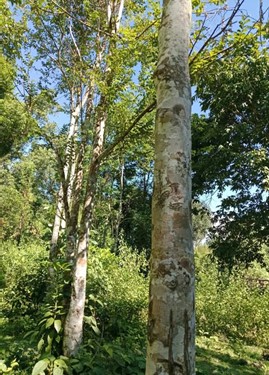
In an ever-evolving world, education stands at the forefront of change, guided by the convergence of technology, nature, and core human values. This paradigm shift is not just about incorporating the latest gadgets into classrooms, but about fostering an ecosystem where students develop creativity, critical thinking, and ethical reasoning—tools that will allow them to navigate […]

READ MORE
Resilient Ecosystems: The Vital Role of Insect Diversity in VCFs

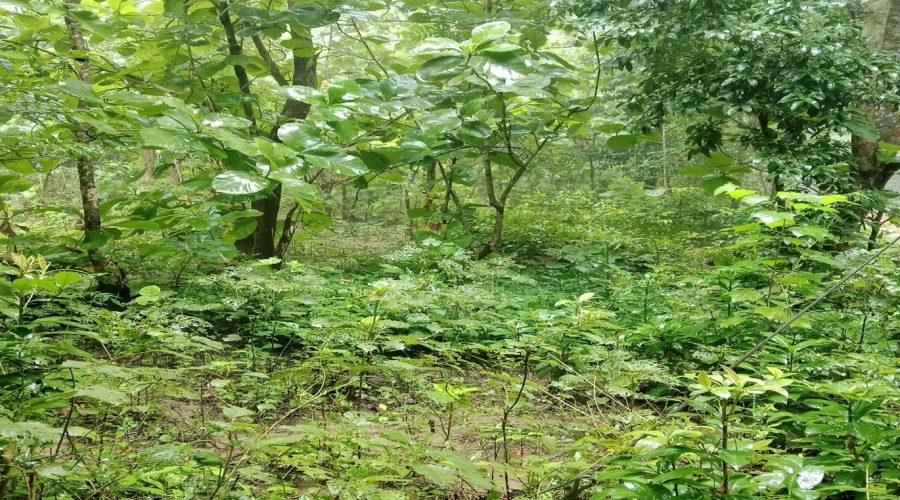
The Village Common Forests (VCFs) in the Chittagong Hill Tracts (CHT) of Bangladesh are vital ecosystems managed by indigenous communities, rich in biodiversity that supports local livelihoods. Arthropods, particularly insects, are essential for maintaining ecosystem services such as pollination, nutrient cycling, pest control, and soil enrichment, all of which contribute to the resilience and productivity […]

READ MORE

The values of Bees in Nijhum Dwip

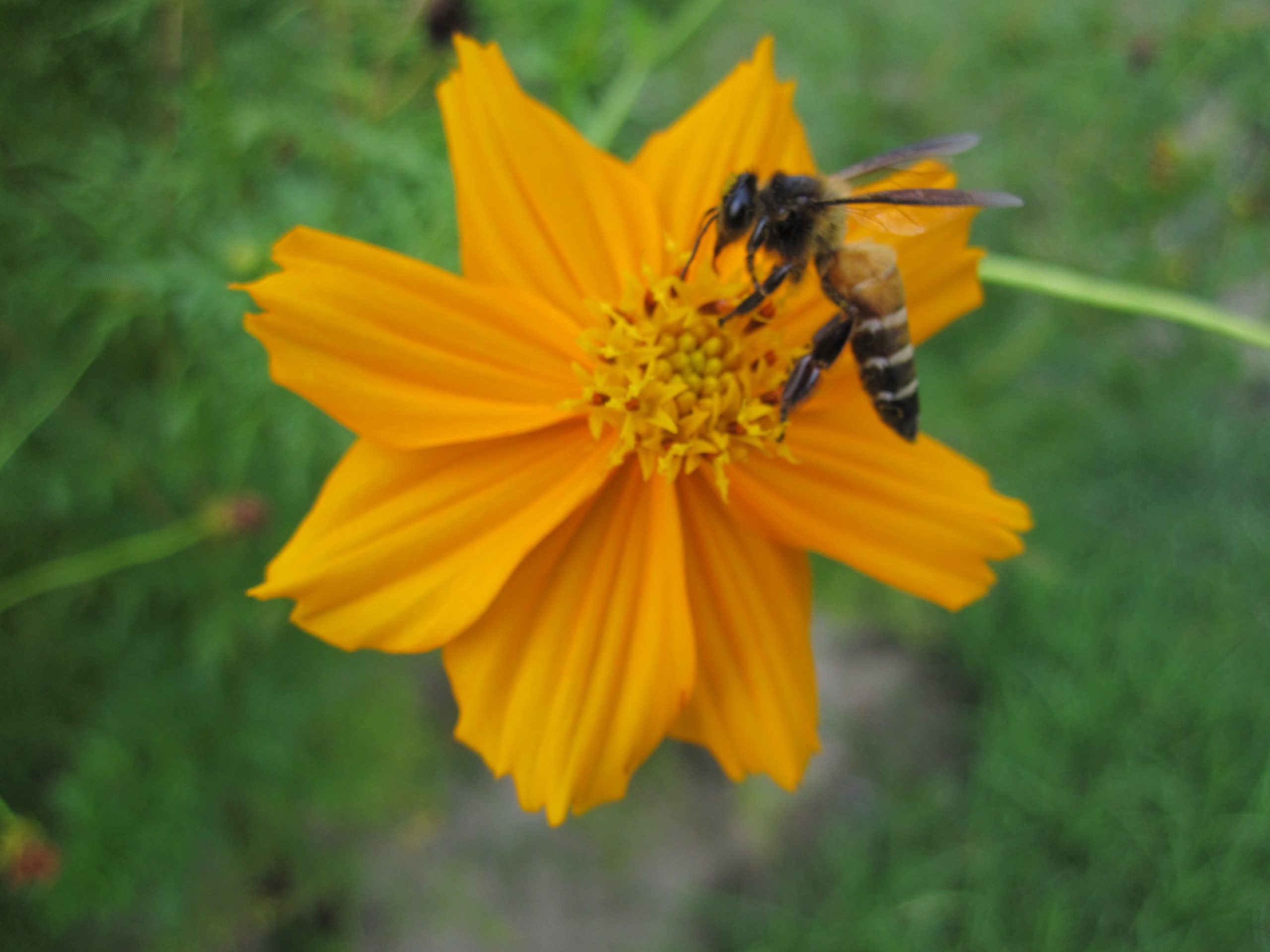
Geographical and Demographic Position of Nijhum Dwip Nijhum Dwip, often referred to as “Silent Island,” is a significant ecological and economic entity in Bangladesh is located in the Bay of Bengal at the mouth of the Meghna River, within the Hatiya Upazila of Noakhali District. Covering approximately 16,000 hectares, it features a diverse ecological landscape […]

READ MORE

Insects as Catalysts: Boosting Agarwood Resin “Liquid Gold” Yield in Bangladesh

Agarwood, famed for its aromatic resin derived primarily from trees in the Aquilaria and Gyrinops genera, holds immense cultural and economic significance globally, with its production triggered by specific ecological interactions. The resin is a result of the tree’s response to fungal infections or physical injuries, initiating a complex network of biotic relationships that impact […]

READ MORE

Smart Solutions with Nanoparticles for Sustainable Agriculture in Bangladesh!

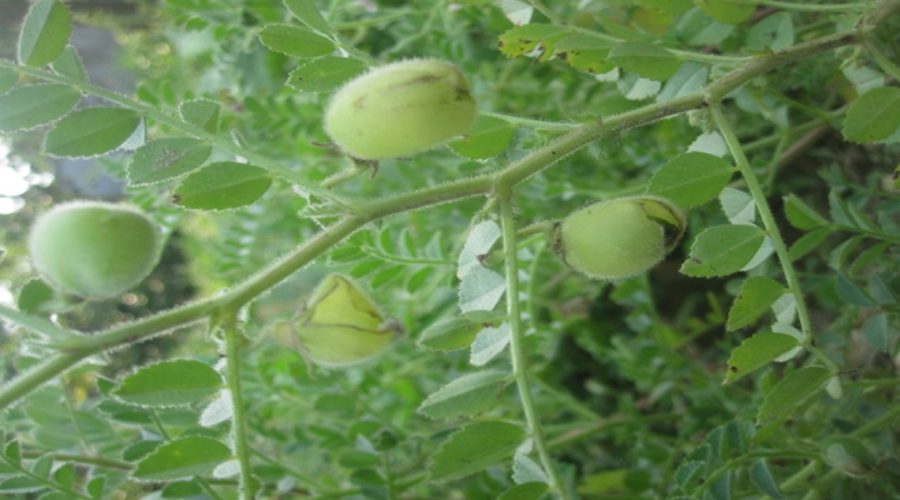
Agriculture is the backbone of Bangladesh’s economy, sustaining the livelihoods of millions and contributing to food security. However, insect pests pose a constant threat to crop productivity, often leading farmers to rely heavily on chemical pesticides. While effective, these chemicals can cause adverse environmental and health impacts. To address these challenges, nanobiotechnology emerges as a […]

READ MORE

BEES AT THE CROSSROADS IN THE SUNDARBANS

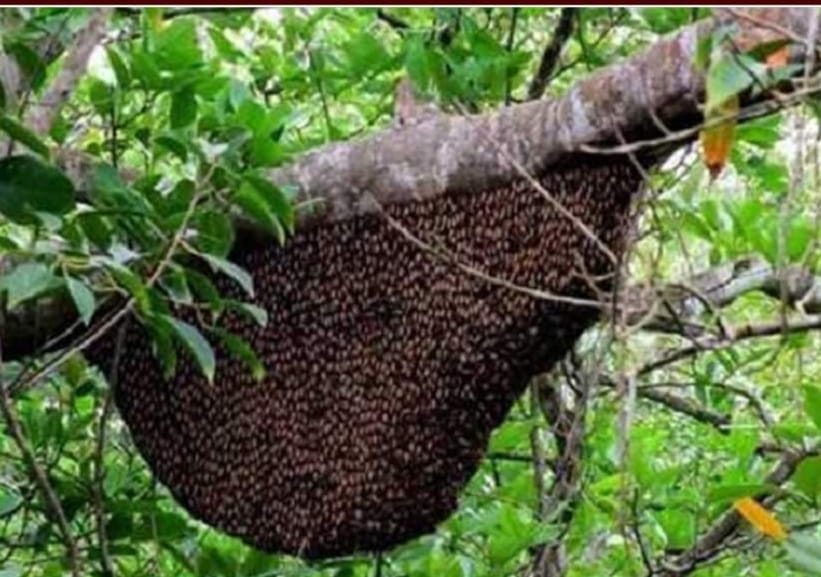
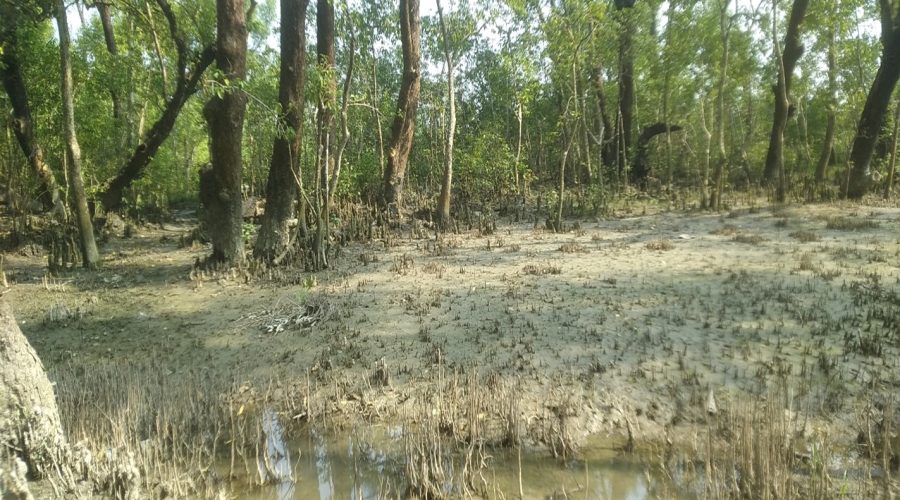
The Sundarbans, the world’s largest mangrove forest spanning approximately 10,000 square kilometers, with about 60% situated in Bangladesh and the remaining 40% in India, is a UNESCO World Heritage Site renowned for its rich biodiversity, and play vital role in supporting the livelihoods of around 4.5 million people, predominantly belonging to various ethnic groups, including […]

READ MORE

Tobacco: Why are issues neglected?

Numerous research papers have been published at home and abroad on the harmful effects of tobacco on health risks. Several organizations in Bangladesh have been conducting multi-faceted activities to prevent tobacco for about a decade and a half. However, there is question about the extent to which the environment, biodiversity, and marginal people related to […]

READ MORE

Be by their side to protect our existence!

Consciously or not, a myriad of organisms, particularly flower-foraging insects like bees, wasps, butterflies, moths, flies, beetles, and even cockroaches, contribute significantly to the delicate balance essential for human survival. Serving as pollinators, predators, pests, and energy sources during various life stages, these insects occupied more than 180000 specie, and play pivotal roles in both […]

READ MORE