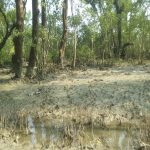

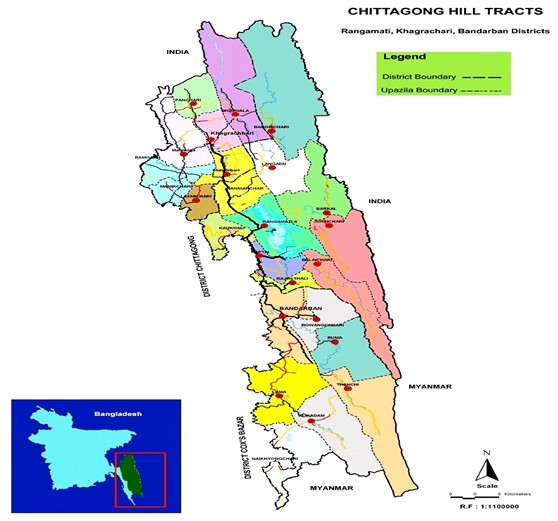
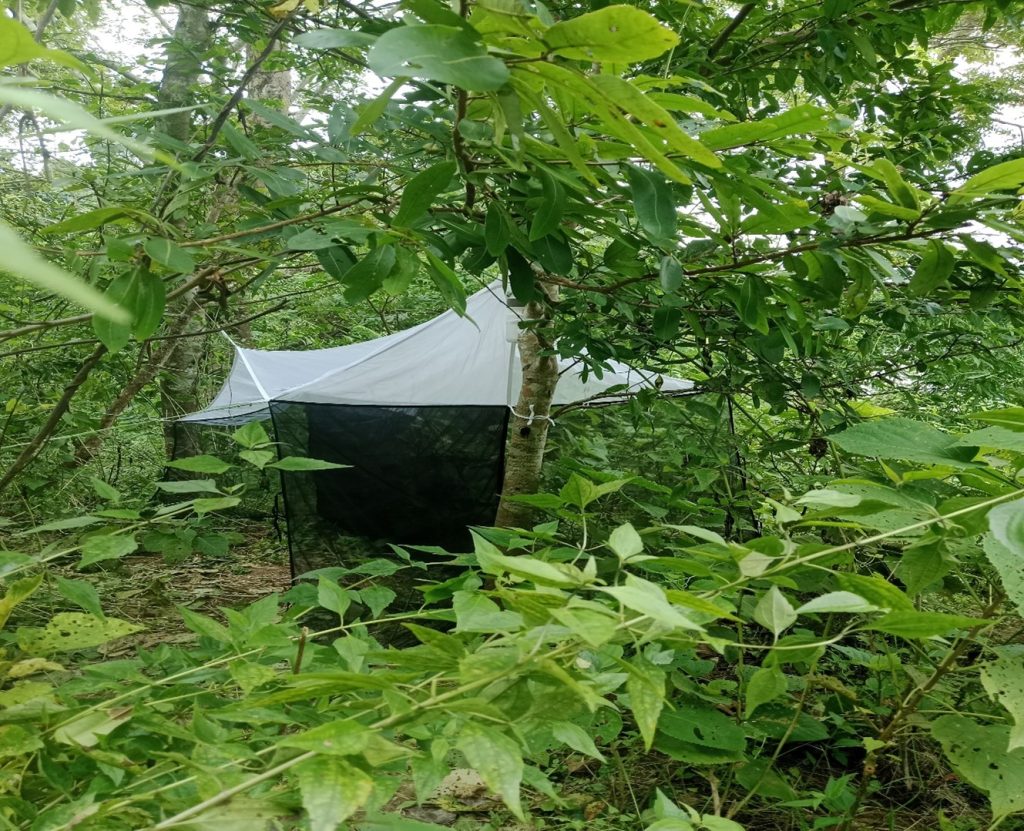
The Village Common Forests (VCFs) in the Chittagong Hill Tracts (CHT) of Bangladesh are vital ecosystems managed by indigenous communities, rich in biodiversity that supports local livelihoods. Arthropods, particularly insects, are essential for maintaining ecosystem services such as pollination, nutrient cycling, pest control, and soil enrichment, all of which contribute to the resilience and productivity of the region’s natural resources. Since 2017, some researchers, including the author of this article, have been researching insect diversity on several VCFs in CHT, and identified 171 insect species across 20 VCFs, with Lepidoptera (42.70%) dominating the diversity, followed by Hymenoptera (19.88%) and Odonata (15.20%); Edible insects also contribute to local diets and economies. Most importantly, arthropod samples are being collected over the course of one year using Malaise traps from the Nunchhari Village Common Forest (VCF) in Khagrachhari, with the aim of conducting molecular analysis.
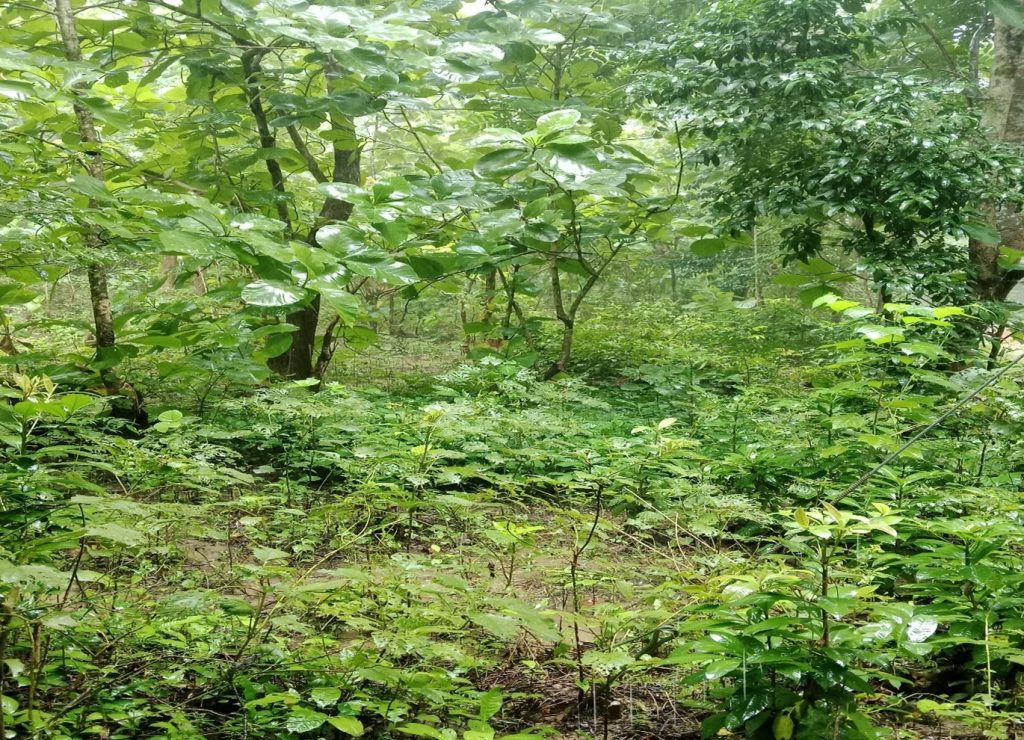
Here, this paper examines the ecological, economic, and climate change resilience of arthropods within VCFs, highlighting their roles in enhancing forest health and community well-being. It also addresses the challenges posed by climate change and anthropogenic pressures, proposing recommendations for sustainable management practices and conservation strategies that empower local communities while preserving arthropod diversity. The unique biodiversity and cultural significance of VCFs underscore the need for a deeper understanding of the ecological roles of various arthropods, including pollinators, pests, and edible insects, which remain largely underexplored in this region.
Historical Context
Historically, VCFs have been governed by indigenous tribes, such as the Chakma, Marma, and Tripura, who have practiced sustainable management for centuries. However, the Forest Act of 1927 and subsequent state control have impacted indigenous access and management practices. Tribal communities maintain deep connections with their forests, relying on traditional practices that promote conservation. Participatory management empowers local stakeholders to engage in sustainable practices.
Recent estimates indicate approximately 150,000 hectares of VCFs across the CHT, with about 1,300 registered VCFs. These forests are vital for biodiversity conservation and local livelihoods but face threats from illegal logging, agricultural expansion, and infrastructure development.
Ecological and Economic Importance of VCFs
The Village Common Forests (VCFs) in Bangladesh’s Chittagong Hill Tracts (CHTs) are indispensable assets for both ecological stability and the economic resilience of indigenous communities who depend on these forests for their livelihoods. Ecologically, VCFs function as critical habitats for a diverse array of species, particularly arthropods like bees and butterflies, which are essential pollinators. These species not only support native biodiversity but also enhance agricultural productivity and food security by facilitating the pollination of local crops. Additionally, decomposing arthropods contribute to nutrient cycling, promoting soil health and fostering sustainable agricultural practices crucial to local food systems.
Economically, VCFs supply numerous Non-Timber Forest Products (NTFPs) such as wild fruits, medicinal plants, and natural resources, all of which are integral to food security and income generation for local communities. Timber and fuelwood from these forests are vital resources for construction and daily energy needs, while the emerging potential of ecotourism in these biodiverse areas provides new revenue streams and raises conservation awareness. The sustainable management of VCFs is vital for preserving biodiversity and supporting community resilience, linking local ecosystems to global environmental health.
Edible insects represent a significant, though underutilized, resource within VCFs, offering essential nutritional and economic benefits. This rich diversity includes species like bamboo worms (Omphisa fuscidentalis), crickets (Gryllus confirmatus), termites (Microcerotermes and Odontotermes), giant water bugs, and numerous beetles, cicadas, grasshoppers, and ants. High in protein, vitamins, and minerals, these insects serve as a reliable food source, improving food security and dietary diversity, especially in regions with limited access to conventional foods. Indigenous communities in the CHTs traditionally consume over thirteen insect species, such as honey bee (Apis spp.) and wasp larvae, in alignment with global trends advocating for sustainable, eco-friendly dietary options. Beyond nutrition, edible insects offer potential for income generation through local markets and possible international trade, enhancing economic resilience. However, the sector’s sustainable advancement depends on food safety standards, environmental responsibility, and sustainable harvesting methods. Such holistic management will allow the edible insect industry to evolve into a resilient, eco-friendly solution, supporting local economies while advancing global sustainability goals.
In addition to their nutritional contributions, insects hold substantial ethnomedicinal value. Indigenous communities utilize honey bee larvae and honey for wound healing, immune support, and respiratory health, while termites and termite soil are traditionally applied for pain relief and infection treatment. Extracts from cicadas are used to alleviate coughs and fevers, while crickets and grasshoppers, known for their essential amino acids and bioactive compounds, are integrated into traditional medicine for energy enhancement and digestive health. Modern research confirms these insects’ antimicrobial, antioxidant, and anti-inflammatory properties, underscoring their potential in healthcare. Documenting these practices could offer sustainable, locally adapted healthcare solutions and lay the groundwork for insect-based pharmaceuticals, bridging indigenous knowledge with contemporary scientific advances.
Pollinators, particularly wild bees, are central to both the ecological and economic frameworks within VCFs. Bees enhance biodiversity by pollinating native flora and local crops, directly supporting food security and ecosystem stability. VCFs, rich in plant diversity, not only provide habitats for these pollinators but also yield bee products such as honey, beeswax, and propolis, which carry both commercial and cultural significance. Honey production remains a vital livelihood source for local communities, who harvest honey for personal use and trade, supporting economic resilience and cultural heritage. Indigenous knowledge on the medicinal properties of bee products strengthens community health and identity, highlighting the importance of traditional practices in sustainable resource management. Globally, the conservation of pollinator populations, which are in decline, is crucial; VCFs play a vital role in safeguarding these species, reinforcing the importance of protecting pollinator habitats for global biodiversity and agricultural stability.
VCFs are also impacted by forest insect pests like the teak defoliator (Hyblaea puera) and various bark beetles, which threaten forest health, reducing biodiversity and destabilizing ecosystems. Damage from these pests can disrupt the ecosystem services provided by forests, such as carbon sequestration and soil stability. Economically, forest insect pests pose risks to timber and NTFPs, though they may also offer benefits if sustainably managed. Indigenous communities, for example, have traditionally used pest species as food or for medicinal purposes, illustrating a dual role where pests can become valuable resources with careful management. Globally, forest pest management is a crucial aspect of sustainable forest practices, calling for integrated pest management (IPM) strategies that address both ecological impacts and local needs, enhancing biodiversity while supporting community livelihoods.
Overall, the VCFs in the CHTs exemplify the complex relationship between ecological integrity and economic development. Recognizing the multifaceted value of these forests—through their contributions to biodiversity, nutrition, healthcare, pollination, and income generation—highlights their critical role in local and global sustainability efforts. By promoting sustainable forest management and leveraging the traditional knowledge of indigenous communities, VCFs in Bangladesh’s CHTs can continue to foster ecological balance and support resilient local economies, aligning with broader environmental and social sustainability objectives.
Socio-Environmental Significance
The VCFs in the CHT of Bangladesh are crucial for socio-environmental sustainability, serving as lifelines for local indigenous communities. These forests provide essential ecosystem services, including biodiversity conservation, soil stabilization, and water regulation, which are fundamental for local agricultural practices and overall ecosystem health. VCFs support a rich diversity of flora and fauna, particularly arthropods, which play vital roles in pollination and pest management, contributing to food security and agricultural productivity. Furthermore, VCFs are integral to the cultural identity and economic well-being of these communities, as they rely on non-timber forest products and medicinal plants. In a global context, the preservation of VCFs aligns with international conservation objectives, such as the United Nations’ Sustainable Development Goals and the Convention on Biological Diversity, emphasizing the significance of community engagement and traditional knowledge in conservation strategies. Protecting these forests not only enhances local resilience to climate change but also contributes to global biodiversity conservation efforts, showcasing the interconnectedness of local and global environmental health.
Climate Change Resilience of Arthropods
Arthropods in the VCFs of the CHTs of Bangladesh exhibit remarkable resilience through their adaptability to shifting environmental conditions. These organisms, including diverse insects, arachnids, and crustaceans, play essential roles in ecosystem services such as pollination, decomposition, and pest regulation, which are critical for maintaining forest health and supporting local livelihoods. Many pollinators can adjust their phenology in response to climate variations, ensuring continued functionality of these services even as climate change disrupts traditional patterns. DNA barcoding efforts have unveiled extensive insect diversity, highlighting species that can serve as bioindicators for monitoring ecosystem health. The rich biodiversity within VCFs fosters functional redundancy, allowing other species to take over ecological roles if one declines due to climate stressors. However, challenges such as habitat loss, altered microclimates, and extreme weather events threaten these arthropod populations. To enhance their climate resilience, it is essential to implement sustainable management practices that preserve habitat diversity and empower local communities through education and active participation, thereby safeguarding both arthropod diversity and the livelihoods dependent on the ecological integrity of these forests.
A Tech-Driven Approach in VCFs
Modern science, particularly through the application of DNA barcoding, smart devices for monitoring bees and their associated flora, and advanced data analysis techniques, plays a crucial role in addressing biodiversity loss and climate change impacts in the VCFs of the CHTs of Bangladesh. DNA barcoding enables precise species identification, facilitating the assessment of biodiversity and aiding in the conservation of pollinator species that are essential for ecosystem stability and agricultural productivity. The deployment of smart devices, such as automated bee monitoring systems equipped with sensors and cameras, allows for real-time tracking of bee populations and their interactions with flowering plants, thereby providing critical data on pollination dynamics. This data can be integrated into ecological models to predict the effects of climate change on species distribution and interactions, supporting adaptive management strategies to enhance resilience in VCFs. Moreover, analyzing long-term data on bee populations and climate variables can inform conservation efforts and policy-making aimed at mitigating biodiversity loss in the face of climate challenges, highlighting the interconnectedness of local and global ecological health. Thus, leveraging modern scientific tools and approaches is essential for the sustainable management of VCFs, promoting both biodiversity conservation and the livelihoods of local communities.
Sustainable Conservation Strategies
The VCFs in the CHTs are crucial ecosystems that face significant challenges, including deforestation, land-use change, climate change impacts, overexploitation of resources, and a lack of awareness among local communities. Unsustainable agricultural practices and urban encroachment threaten these forests, leading to habitat loss and fragmentation, which jeopardizes the rich biodiversity, particularly arthropods essential for ecosystem health and agricultural productivity. Climate change further exacerbates these issues, altering rainfall patterns and increasing temperatures, which negatively impacts both plant and animal life in VCFs.
To combat these challenges, several sustainable conservation strategies can be implemented. Regular biodiversity monitoring, including DNA barcoding, can facilitate the identification of species and provide insights into arthropod diversity, essential for understanding their ecological roles. Community education programs focused on sustainable harvesting and pest management can empower local populations to utilize their resources responsibly. Promoting eco-tourism initiatives centered on the unique biodiversity of the CHTs can generate income while fostering conservation awareness.
Recommendations for enhancing these strategies include increasing research efforts to systematically study arthropod diversity across more VCFs, as this knowledge is vital for effective resource management and community livelihoods. Furthermore, community awareness programs can help local populations recognize the ecological and economic significance of their natural resources, thereby fostering active participation in conservation efforts. Integrative conservation strategies that combine traditional knowledge with modern practices should also be developed in collaboration with indigenous communities, ensuring that management plans reflect local needs and enhance ecosystem resilience.
In a global context, addressing these challenges and implementing sustainable strategies in the CHTs including VCFs can contribute to broader conservation goals, reinforcing the importance of local ecosystems in maintaining global biodiversity and environmental health. The lessons learned from VCFs can serve as a model for similar regions worldwide, highlighting the need for integrated approaches that respect local knowledge while promoting sustainable development.
In conclusion, arthropods in the Village Common Forests of the Chittagong Hill Tracts represent invaluable resources that underpin ecosystem health, economic benefits, and climate resilience. Their diversity and adaptability contribute to the sustainable functioning of these forests, vital for both biodiversity and the socio-economic welfare of indigenous communities. Promoting conservation initiatives focused on arthropod diversity and resilience will be critical for ensuring the long-term sustainability of these forests amidst climate change.
Supportive references:
Bashar, M. A., & Jahan, R. (2018). Community-Based Forest Management: A Case Study of Chittagong Hill Tracts. Journal of Environmental Management, 215, 76-85.
Bennett, A. B., et al. (2016). “The role of arthropods in ecosystem services.” Agricultural Ecosystems & Environment, 232, 191-197.
Bharathi, K., Manjunatha, M. R., & Madhusudhan, M. (2021). Ethnoentomological study of insects used by traditional communities in India. Journal of Ethnobiology and Ethnomedicine, 17(1), 14.
Bhatta, R. P., et al. (2019). Community Forestry and its Role in Biodiversity Conservation in Nepal. Journal of Forest and Environmental Science, 35(3), 265-275.
Buchan, K., & Chowdhury, M. (2019). Indigenous Forest Management and Community Development in Bangladesh: The Case of Chittagong Hill Tracts. Forest Policy and Economics, 99, 101-109.
CBD (Convention on Biological Diversity). (2010). Strategic Plan for Biodiversity 2011-2020.
Culley, T. M., Hardiman, N. A., & Wolfe, A. D. (2018). The role of DNA barcoding in assessing biodiversity. Molecular Ecology Resources, 18(6), 1418-1431.
Das, A., Chakraborty, S., & Choudhury, M. (2020). Ecotourism potential of village common forests in the Chittagong Hill Tracts of Bangladesh. Journal of Sustainable Tourism, 28(7), 1021-1042.
Ghosh, P., Saha, S., & Roy, A. (2019). Ecological and socio-economic significance of non-timber forest products in the village common forests of the Chittagong Hill Tracts, Bangladesh. Journal of Forestry Research, 30(3), 1065-1075.
Hebert, P. D. N., et al. (2003). Biological identifications through DNA barcodes. Proceedings of the Royal Society B: Biological Sciences, 270(1512), 313-321.
Hossain, M. & Islam, M. (2021). Ethnoentomology: Traditional uses of Insects by Indigenous People in Bangladesh. Journal of Ethnobiology and Ethnomedicine, 17(1), 1-15.
Hossain, M. S., & Rahman, M. A. (2020). The role of community-based forest management in biodiversity conservation: A study from the Chittagong Hill Tracts, Bangladesh. Environmental Management, 65(1), 115-127.
Hussain, M. G., Ahmed, F., & Rahman, M. A. (2019). Effects of urbanization on forest ecosystem in the Chittagong Hill Tracts, Bangladesh. Environmental Management, 64(5), 601-615.
IPCC (2021). Climate Change 2021: The Physical Science Basis. Contribution of Working Group I to the Sixth Assessment Report of the Intergovernmental Panel on Climate Change.
Islam, M. S., & Miah, M. S. (2020). Community-based approaches to forest conservation: Lessons from Bangladesh. Forest Policy and Economics, 117, 102166.
IUCN Bangladesh. (2020). Biodiversity assessment and sustainable use of non-timber forest products in Chittagong Hill Tracts. IUCN Bangladesh Publications.
Khan, M. I., Rahman, M. M., & Akter, R. (2020). Nutritional and economic aspects of edible insects in Bangladesh: A review. Journal of Insects as Food and Feed, 6(2), 109-118.
Mandal, S., Bhattacharya, A., & Saha, P. (2021). Promoting sustainable resource management in community forests: Challenges and opportunities. Ecological Economics, 179, 106835.
Mazumdar, S., & Miah, M. I. (2024). Insect diversity in Chittagong Hill Tracts’ village common forests: Implications for conservation and community livelihoods. Munis Entomology & Zoology, 19(2), 1104-1116.
Miah, M. S. (2020). Impact of deforestation on tribal communities in the Chittagong Hill Tracts. Journal of Forest Research, 25(4), 453-460.
Mohan, S., & Ravi, S. (2021). The role of edible insects in food security: A review from South Asia. Food Security, 13(3), 649-661.
Potts, S. G., et al. (2010). Global pollinator declines: Trends, impacts, and drivers. Trends in Ecology & Evolution, 25(6), 345-353.
Rahman, M. M., et al. (2022). Ecotourism Potential of the Chittagong Hill Tracts: A Study of Sustainable Practices. Journal of Tourism and Sustainable Development, 7(1), 1-18.
Ranganathan, J., Prabhakaran, T., & Gupta, A. (2019). Role of decomposing arthropods in nutrient cycling and soil health. Ecological Indicators, 104, 640-646.
Rao, M. S., et al. (2020). Deforestation and Land Use Change in the Chittagong Hill Tracts: A Review. Environmental Science & Policy, 105, 45-57.
Roberts, S. P. M., et al. (2016). Impacts of land use on insect pollinators in the UK: A systematic review. Ecological Indicators, 66, 205-213.
Saha, P., & Das, D. (2020). The role of indigenous knowledge in forest management: A case study from the Sundarbans, Bangladesh. International Journal of Environmental Research and Public Health, 17(9), 3169.
Sam, S., & Rahman, A. (2020). Community participation in forest management: A case study of Chittagong Hill Tracts, Bangladesh. Journal of Forest Economics, 35, 1-9.
Sarker, M. N. I., & Rahman, A. (2020). The role of traditional knowledge in conserving biodiversity: A case study of indigenous communities in Bangladesh. Environmental Science and Policy, 105, 179-186.
Stokstad, E. (2016). Pollinator decline: Threats to biodiversity and food security. Science, 351(6278), 916-918.
Tambo, J. A., & Otsuka, K. (2013). Impact of community forestry on the livelihood of forest-dependent communities in the Chittagong Hill Tracts. Forest Policy and Economics, 35, 1-11.
van Huis, A., van Itterbeeck, J., Klunder, H., Mertens, E., & Halloran, A. (2013). Edible insects: Future prospects for food and feed security. Food and Agriculture Organization of the United Nations (FAO).
Wenzel, J. W., & Baird, D. J. (2006). Biodiversity and ecosystem functioning: Challenges and opportunities for conservation. Ecological Applications, 16(5), 1705-1715.
World Bank. (2015). Bangladesh: Forest Sector Review and Action Plan. Washington, DC: World Bank.