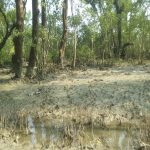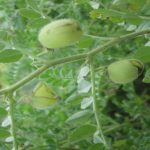

Agarwood, famed for its aromatic resin derived primarily from trees in the Aquilaria and Gyrinops genera, holds immense cultural and economic significance globally, with its production triggered by specific ecological interactions. The resin is a result of the tree’s response to fungal infections or physical injuries, initiating a complex network of biotic relationships that impact resin quality and yield. Rising demand for agarwood, particularly in Middle Eastern and East Asian markets, has turned it into a multi-billion-dollar industry, spurring critical concerns about sustainability and conservation of this valuable resource. Beginning in 2018, researchers, including the lead author, have studied both beneficial and harmful insect species that influence natural agarwood resin production at the Chittagong Forest Research Institute through detailed laboratory and field investigations. Recently, DNA barcoding techniques were employed to authenticate the endangered Aquilaria malaccensis and identify its associated insect biodiversity.
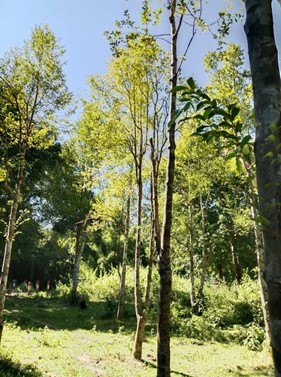
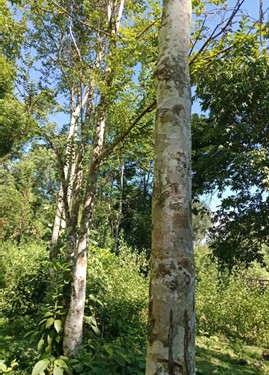
These insects, while potentially damaging to agarwood plantations, play a vital role in natural resin formation, underscoring their dual ecological and economic significance. The study also examines developmental data on these insects, revealing how environmental factors impact their growth and supporting the design of integrated pest management strategies to optimize A. malaccensis cultivation. Furthermore, the research team has initiated efforts to develop a Bio-Promoter Kit leveraging agarwood-associated insect microbiota, aiming to sustainably enhance resin production.
Agarwood: A Precious Natural Resource
Agarwood, specifically A. malaccensis Lam., holds a prominent position in the global market due to its diverse applications, including perfumery, traditional medicine, and incense production. The resin, often referred to as “liquid gold,” commands prices ranging from $30 to $9,000 per kilogram, depending on its resin content. The agarwood industry is valued at approximately $6 to $8 billion, with projections suggesting growth to over $36 billion by 2025. Unfortunately, this demand has led to significant overexploitation and illegal trade, placing A. malaccensis on the brink of extinction. The International Union for Conservation of Nature (IUCN) has classified it as critically endangered, while the Convention on International Trade in Endangered Species of Wild Fauna and Flora (CITES) lists it under Appendix II to promote sustainable practices.
In Bangladesh, where A. malaccensis is widely cultivated, the expansion of agarwood plantations offers economic opportunities alongside challenges for sustainable resource management. Balancing global demand with conservation efforts is imperative, necessitating comprehensive strategies that leverage modern scientific techniques and local knowledge. Issues such as habitat destruction and illegal harvesting further complicate the situation, highlighting the need for integrated approaches combining molecular tools, like DNA barcoding, with ecological and economic perspectives.
Insect Interactions in Agarwood Ecosystems
The ecosystem dynamics of agarwood plantations are influenced by various insect species that play dual roles as pests and facilitators of resin formation. Notable insect species associated with agarwood include Neurozerra conferta (= Zeuzerra conferta), Heortia vitessoides, Crematogaster rogenhoferi, Coptotermes curvignathus, and various Thrips spp.. For example, the larvae of N. conferta, as internal feeders, bore into the tree’s cambium layer, creating tunnels that facilitate microbial infection—a process essential for natural agarwood formation. This symbiotic relationship between insects and microorganisms contributes to higher resin quality and quantity, enhancing the economic value of the harvested product.
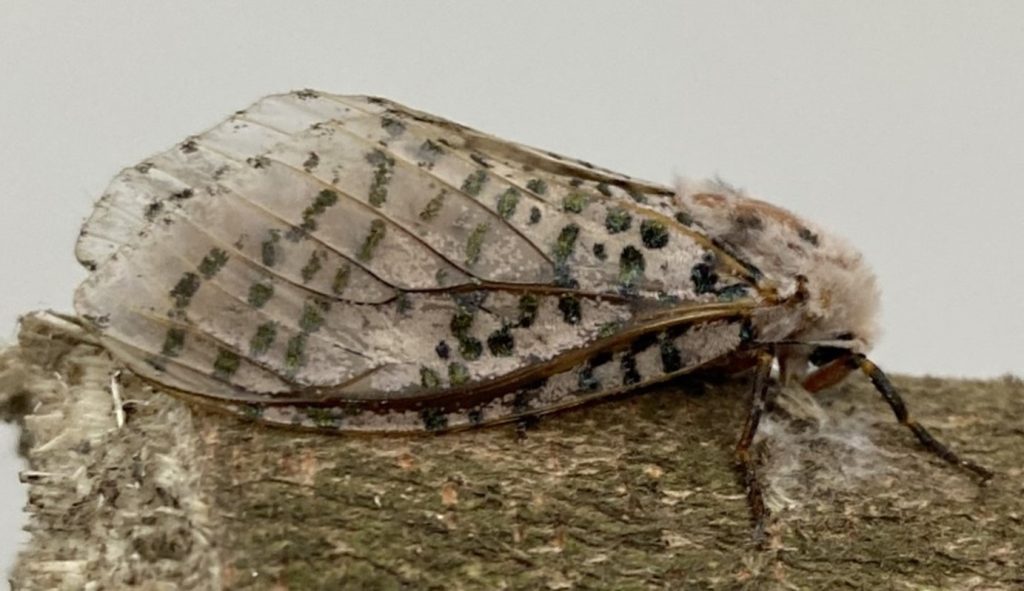
Understanding these interactions is crucial for developing Integrated Pest Management (IPM) strategies that mitigate pest damage while leveraging the benefits of insect-induced resin production. Factors such as temperature and humidity significantly influence the life cycle and development of N. conferta, affecting growth rates and pest population dynamics. Research indicates that under controlled laboratory conditions, these insects exhibit accelerated development compared to natural settings, suggesting potential adjustments for IPM strategies. Investigating the developmental responses of N. conferta under varying environmental conditions will provide insights for optimizing agarwood management practices while minimizing ecological disruption.
Current Research and Industry Status in Bangladesh
The agarwood industry in Bangladesh, while economically promising, faces significant research gaps, particularly in sustainable cultivation practices, integrated pest management, and understanding socio-economic impacts on rural communities. Despite this, recent advancements in molecular biology and pest control technologies offer pathways for refining cultivation methods and enhancing the quality of agarwood products. The Bangladesh Forest Research Institute (BFRI) has taken notable steps to address these challenges by controlling specific pest species and optimizing agarwood oil extraction techniques. This study leverages DNA barcoding to accurately identify both beneficial and harmful insect species associated with Aquilaria malaccensis. Such precise identification aids in enforcing regulations against illegal agarwood trade and enables effective conservation planning by mapping insect ecological roles throughout their life cycles. Establishing a sustainable agarwood production framework in Bangladesh, integrating conservation, pest management, and economic development, is increasingly critical as demand surges across Southeast Asia. This comprehensive approach not only bolsters global conservation but also strengthens rural livelihoods, advancing a resilient, eco-friendly agarwood industry.
Agarwood Production Techniques
Generally, producing high-quality agarwood resin involves intricate biological and environmental factors, and modern agarwood plantations have adopted various techniques for sustainable resin induction:
- Inoculation Methods: Artificial inoculation involves introducing fungi or chemicals into the tree to induce agar resin. The challenge lies in balancing the infection process to ensure tree health while maximizing resin output.
- Wounding Techniques: Mechanical methods, such as drilling or knife wounding, trigger the tree’s defense response, inducing resin production. Careful management is crucial to prevent tree stress, which can lead to decreased yields.
- Use of Insect Vectors: Insects play a pivotal role in agarwood production, acting as vectors for fungi or directly inducing resin formation by boring into the tree. Understanding and managing these insect interactions presents new opportunities for optimizing resin production, emphasizing the importance of insect management in agarwood cultivation.
Economic Importance of Insects in Agarwood Production
Insects are integral to the ecological health of agarwood plantations, serving as facilitators of resin formation and potential pests. Effective management of these insects can enhance resin yield and improve the economic viability of agarwood plantations.
- Insect-Fungus Interaction: Certain insects, like specific beetle species, aid in spreading fungi that trigger resin production. These insects can carry fungal spores on their bodies, naturally inoculating the tree as they burrow into its bark. Promoting beneficial insects can enhance agarwood quality and yield.
- Pollinators and Ecological Support: Insects are critical pollinators for Aquilaria trees, promoting genetic diversity and resilience to diseases and environmental stressors. Pollinators such as bees, butterflies, and beetles are vital, making their conservation essential for long-term sustainability.
Pest Control: While some insects enhance resin production, others, like termites and bark beetles, threaten Aquilaria health. Implementing Integrated Pest Management (IPM) strategies minimizes damage from harmful insects while protecting beneficial species.
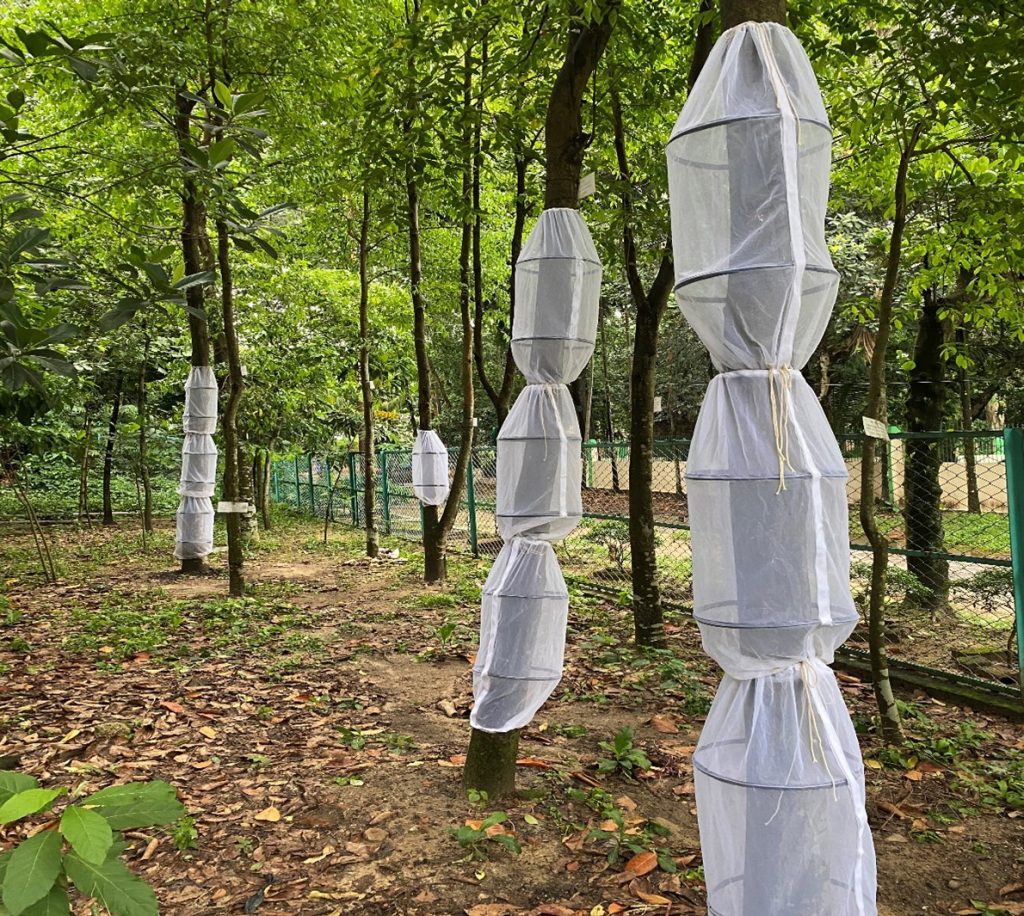
- Economic Impact: The presence of insects that promote resin production can significantly boost agarwood cultivation profitability. By harnessing these insects’ natural behaviors, producers can reduce reliance on expensive artificial inoculation methods, enhancing profit margins.
Ecological Value of Insects in Agarwood Plantations
Insects not only provide economic benefits but also contribute to the ecological balance of agarwood ecosystems. Proper management of insect interactions can enhance overall plantation health and support biodiversity.
- Insect-Driven Biocontrol: Predatory insects, including parasitic wasps and ladybugs, help regulate pest populations, reducing the need for chemical pesticides and enhancing ecological sustainability.
- Soil Health and Decomposition: Insects like ants and termites are vital for soil health, breaking down organic matter and recycling nutrients, thus supporting Aquilaria trees and other plant species.
- Ecosystem Services: Preserving insect biodiversity in agarwood plantations offers broader ecological benefits, including nutrient cycling, habitat creation, and support for food webs. A diverse insect population allows agarwood plantations to function as semi-natural ecosystems that conserve wildlife alongside commercial production.
Climate Resilience: Diverse ecosystems exhibit greater resilience to climate change. Enhancing insect biodiversity in agarwood plantations can help withstand droughts, floods, and temperature extremes, ensuring
Challenges and Opportunities for Agarwood Production
Despite the increasing demand for agarwood, several challenges threaten the sustainability of its production, particularly in Bangladesh:
- Deforestation and Habitat Loss: Urbanization, agricultural expansion, and illegal logging significantly threaten Aquilaria populations, impacting genetic diversity and natural resin production.
- Climate Change: Altered precipitation patterns and rising temperatures can affect agarwood tree growth and health, disrupting traditional cultivation methods and pest dynamics.
- Market Fluctuations: The global agarwood market is volatile, influenced by geopolitical factors, trade policies, and consumer preferences. Sustainable practices must adapt to market trends and buyer demands to ensure profitability.
- Knowledge Gaps: Limited research on agarwood production techniques and insect roles hampers effective management practice development. Integrating scientific research with local knowledge is crucial for promoting sustainable practices.
Conclusion
The premium production of agar resin relies on understanding and leveraging the intricate relationships between Aquilaria trees and insects. By employing modern techniques such as DNA barcoding and integrating pest management practices, Bangladesh can develop sustainable agarwood cultivation strategies that support both economic growth and conservation efforts. This dual approach enhances the economic viability of agarwood while preserving the ecological balance of critical forest ecosystems, ultimately contributing to global conservation objectives and community livelihoods. Future research should focus on optimizing these interactions to ensure the sustainability of agarwood production in Bangladesh and beyond.
Supportive references:
Akter, S., Hossain, S., & Islam, M. R. (2013). Agarwood (Aquilaria malaccensis): A review of its biological and medicinal properties. Journal of Medicinal Plants Research, 7(6), 302-307.
Akter, S., Hossain, S., & Islam, M. R. (2020). Sustainable management of agarwood resources in Bangladesh: Challenges and opportunities. Asian Journal of Conservation Biology, 9(1), 18-26.
Babatunde, O. (2015). Economic importance of agarwood in the international market. Journal of International Trade and Economic Development, 24(4), 445-461.
Bhuiyan, M. A., et al. (2021). DNA barcoding and conservation strategies for endangered plant species in Bangladesh. Journal of Plant Sciences.
Chen, H., Yang, Y., Xue, J., Wei, J., Zhang, Z., & Chen, H. (2013). Agarwood formation: Regulation of resin synthesis by light and temperature. New Phytologist, 200(1), 220-228.
Chowdhury, M. A. Z., Rahman, M. S., & Mohiuddin, A. K. (2019). Insect diversity in agarwood plantations and their role in resin formation. Environmental Entomology, 48(4), 915-926.
Haider, M. Z., Ahmed, A., & Rahman, M. H. (2021). Agarwood in Bangladesh: Current status and future directions. Bangladesh Journal of Forestry Research, 25(2), 45-59.
Hebert, P. D. N., et al. (2003). DNA barcoding for species identification: A new tool for biodiversity studies. Proceedings of the National Academy of Sciences, 100(9), 313-321.
Khakhlari, E., & Sen, K. (2023). Influence of insect activity on agarwood quality: Insights from field studies. International Journal of Agronomy, 2023, Article ID 123456.
Khakhlari, J., & Sen, S. (2023). The ecological role of insects in agarwood production. Journal of Forest Research, 28(1), 45-58.
Khakhlari, P., & Sen, S. (2023). The role of insects in agarwood resin formation: Ecological and economic perspectives. Journal of Sustainable Forestry.
Parrella, M. P., D’Amico, V., & Bonfanti, P. (2020). Insect pest management in agarwood plantations: Strategies and challenges. Journal of Pest Science, 93(1), 5-18.
Parrella, M. P., et al. (2020). Insect development and agarwood production: Implications for pest management. Insect Science, 27(2), 179-193.
Persoon, G. A., & van Beek, H. H. (2008). Agarwood: The life of a wounded tree. IIAS Newsletter, (49), 23.
Subasinghe, S. M. C. U. P., & Hettiarachchi, D. S. (2015). Agarwood resin production and use in Aquilaria trees. Journal of Tropical Forestry and Environment, 5(2), 36-46.
Thompson, K. J., Ahlstrom, J., & Mohamed, H. (2022). Global trade in agarwood: Assessing sustainability and conservation challenges. Conservation Biology, 36(2), 294-303.
Uddin, M. J., Chowdhury, M. A. Z., & Hossain, M. S. (2008). Agarwood cultivation in Bangladesh: Current status and prospects. Bangladesh Journal of Botany, 37(2), 189-193.
*International Barcode of Life (iBOL) Research Fellow, and Founder: Environment and Community Development Embed (ENCODE) (www.encodeworld.org). E-mail: mazumdarsantosh@gmail.com

Dr. Santosh Mazumdar
iBOL Postdoctoral Research Fellow, and Founder: Environment and Community Development Embed (ENCODE) (www.encodeworld.org).
E-mail: mazumdarsantosh@gmail.com
Google Scholar | ResearchGate | ORCHID