
Geographical and Demographic Position of Nijhum Dwip
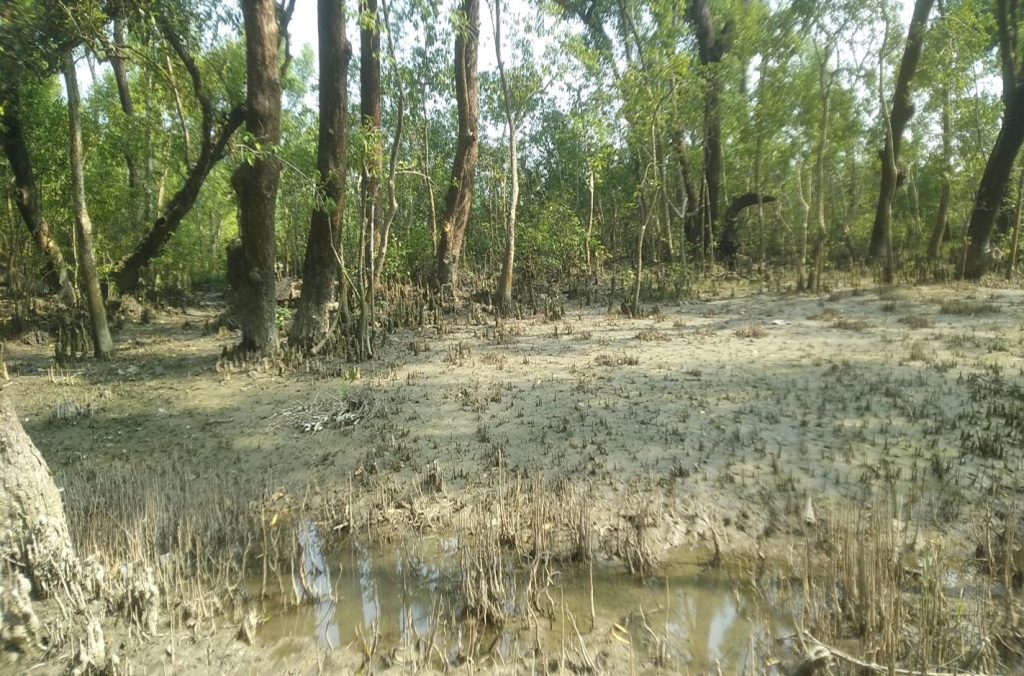
Nijhum Dwip, often referred to as “Silent Island,” is a significant ecological and economic entity in Bangladesh is located in the Bay of Bengal at the mouth of the Meghna River, within the Hatiya Upazila of Noakhali District. Covering approximately 16,000 hectares, it features a diverse ecological landscape composed of mangrove forests, tidal flats, wetlands, and agricultural lands. The mangrove forests are critical for biodiversity, providing essential habitats for various species and acting as natural barriers against coastal erosion and flooding. The island is situated at approximately latitude 22º1ánd 22º6´N and longitude 90º58ánd 91º3´E, and experiences a tropical coastal climate influenced by monsoon seasons and periodic cyclones
Economic and Ecological Value of Bees in Nijhum Dwip
Bees are integral to the economic and ecological fabric of Nijhum Dwip. The beekeeping industry serves as a cornerstone of local livelihoods. Honey production from species like Apis dorsata and Apis cerana contributes approximately $10,000 annually to household incomes. Local honey, derived from mangrove flora such as Keora (Sonneratia apetala), holds premium market potential both nationally and internationally, with estimates suggesting honey exports could exceed $10 million annually if effectively scaled. Ecologically, bees provide crucial pollination services that enhance crop yields by up to 30%, thereby contributing to food security and agricultural resilience. Their role in pollinating mangrove species supports biodiversity and sustains coastal ecosystems, which are vital for coastal protection and fisheries—key resources for local communities. Additionally, bees facilitate the regeneration of mangrove trees, contributing to erosion control and climate change mitigation. Healthy mangrove ecosystems are significant carbon sinks, playing a critical role in global climate regulation.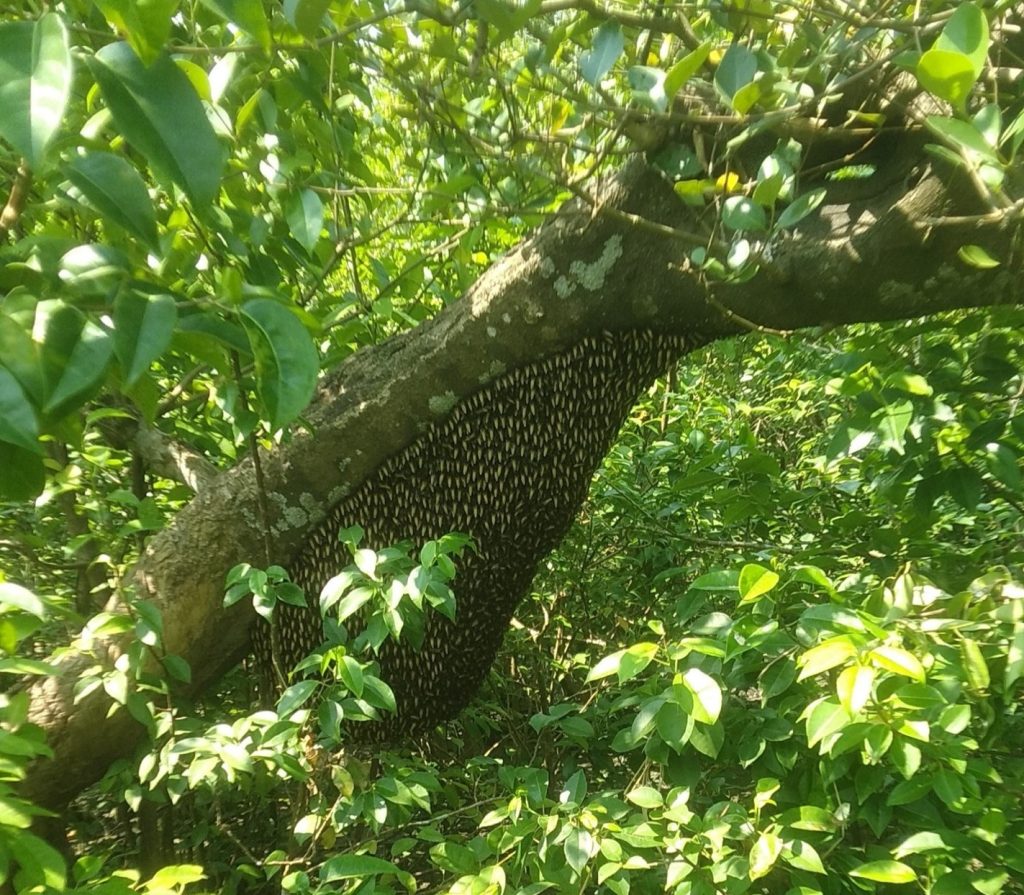
Bee and Bee Plant Diversity on Nijhum Dwip
Nijhum Dwip is home to a diverse array of bee species essential for pollination and ecosystem health. Key species include: Apis dorsata (Giant Honey Bee): Predominantly found in the wild, crucial for pollinating mangrove habitats and producing high-quality honey; Apis cerana (Asian Honey Bee): Commonly domesticated, this species plays a vital role in agricultural pollination, and Stingless Bees (Tetragonula spp.): Though not honey producers, these bees significantly contribute to the pollination of smaller flowering plants, maintaining ecological balance. The presence of these diverse species underscores the importance of pollinators for local biodiversity and food security.
The flora of Nijhum Dwip supports a rich variety of bee forage plants essential for sustaining local bee populations. Keora (Sonneratia apetala): A prominent mangrove species that flowers during the dry season, providing crucial nectar and pollen; Gewa (Excoecaria agallocha): Another vital mangrove, supporting bee populations and contributing to overall ecosystem resilience, and Agricultural Crops: Seasonal crops such as mustard, sunflowers, and watermelon benefit significantly from bee pollination, leading to improved agricultural productivity.
This diversity in flowering plants is vital for the survival of both wild and domesticated bees, fostering resilience against environmental fluctuations.
Bee-Based Alternative Livelihoods and Resilience
Beekeeping has emerged as a sustainable livelihood option for the communities of Nijhum Dwip, particularly in the face of climate vulnerability and environmental degradation. Income Diversification: Beekeeping offers a low-input, high-output alternative to traditional livelihoods, providing economic stability as agricultural productivity declines due to salinity intrusion and coastal erosion. Empowerment of Marginalized Groups: Initiatives in small-scale beekeeping empower women and marginalized communities, promoting gender equality and enhancing economic opportunities. Sustainability: Sustainable beekeeping practices reduce reliance on harmful activities such as overfishing and deforestation, supporting local economies and opening markets for organic honey products.
Bee-Plant Interactions and Climate Change Mitigation
Bees play a pivotal role in maintaining ecological integrity through their pollination services. Pollination Services: As keystone pollinators, bees facilitate the reproduction of mangroves and agricultural crops, enhancing biodiversity and ecosystem stability. Mangrove Pollination: The pollination of mangroves by bees is critical for coastal protection and ecosystem regeneration, indirectly safeguarding communities from climate-related hazards.
Bees contribute to climate change mitigation in several key ways. Carbon Sequestration: By supporting the health and growth of mangrove ecosystems, bees enhance their capacity to sequester carbon. Mangroves can store up to four times more carbon per hectare than tropical rainforests (WWF, 2020). Ecosystem Resilience: The interconnectedness of bee and plant species enhances the resilience of ecosystems, enabling them to adapt to changing environmental conditions and mitigating the impacts of climate change.
Comparative Perspectives on Bees and Climate Change
On a national level, Bangladesh recognizes the importance of pollinators for food security and biodiversity conservation. The National Biodiversity Strategy and Action Plan (2016) emphasizes the need to protect pollinators, particularly in vulnerable areas like Nijhum Dwip. Globally, the FAO estimates that over 75% of food crops depend on pollination, making the decline in bee populations a serious threat to global food security. Nijhum Dwip exemplifies community-led efforts to promote sustainable beekeeping and mangrove restoration, aligning with international conservation strategies and providing a model for other regions.
Recommendations for Enhancing Bee Conservation and Ecosystem Resilience in Nijhum Dwip
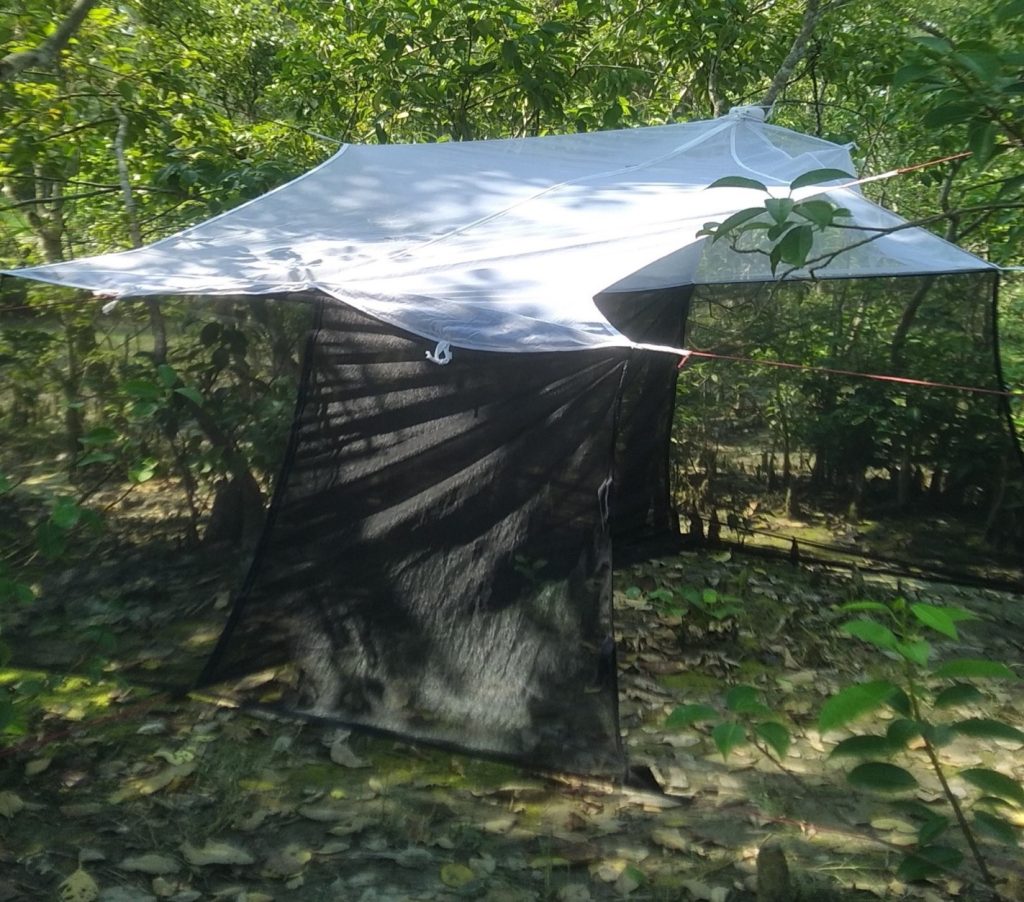
Enhancing Bee-Friendly Habitats: Protect and Restore Mangrove Ecosystems: Prioritize the conservation and reforestation of mangrove areas essential for bee habitats. Engage local communities and organizations in restoration efforts to foster a sense of ownership and ensure sustainability. Promote Biodiverse Agricultural Practices: Encourage local farmers to diversify their crops and integrate flowering plants that support bee populations, creating a more resilient agricultural landscape. Collaborate with agricultural agencies to implement these practices.
Promoting Sustainable Beekeeping: Support Organic Beekeeping Initiatives: Develop training programs in collaboration with local agricultural and environmental agencies to educate beekeepers on organic practices that protect bee health and enhance honey quality. This can lead to better market prices and sustainable livelihoods. Empower Marginalized Communities: Provide targeted support and training for marginalized groups to engage in beekeeping, enhancing their economic opportunities while contributing to conservation efforts. Collaborate with NGOs focused on community development.
Research and Development: Invest in Bee Health Studies: Allocate funding for research focused on the health and behavior of bee populations in Nijhum Dwip, especially in relation to climate change impacts. Partner with local universities and international research institutions for comprehensive studies. Monitor Pollination Services: Establish ongoing research programs to assess the role of bees in local ecosystems and their contributions to agricultural productivity. Collaborate with agricultural and environmental agencies to integrate findings into adaptive management strategies.
Climate Change Mitigation Strategies: Adaptive Management Practices: Implement adaptive management strategies that address potential climate change impacts on bee habitats. Collaborate with local and national agencies to develop contingency plans for extreme weather events. Community Education and Awareness: Launch awareness campaigns to educate local communities about the critical role of bees in climate change mitigation and ecosystem health. Partner with schools, local organizations, and international NGOs for broader outreach.
Cross-Border Collaboration: Strengthen Regional Partnerships: Foster collaboration between Bangladesh and neighboring countries, such as India, for joint conservation initiatives that protect mangrove ecosystems and bee habitats. Share knowledge, resources, and best practices to enhance conservation outcomes. Engage Local Stakeholders: Involve local communities, NGOs, government bodies, and international organizations in decision-making processes to ensure that conservation strategies are culturally appropriate and economically viable.
Future Research Directions: Assess Long-Term Climate Impacts: Prioritize research on the long-term impacts of climate change on bee populations and their habitats. Focus on identifying resilient bee-plant interactions, collaborating with local and international researchers to share insights. Explore Innovative Conservation Techniques: Investigate new technologies and methods for monitoring bee health and habitat quality, such as remote sensing and citizen science initiatives. Collaborate with tech companies and research institutions for innovative solutions.
The future of Nijhum Dwip relies on integrated approaches that highlight the multifaceted value of bees. Recognizing their economic contributions alongside their ecological roles is essential for developing strategies that build a climate-resilient future. Through effective conservation policies and community engagement, it is possible to sustain the vital ecosystems of Nijhum Dwip while supporting local livelihoods.
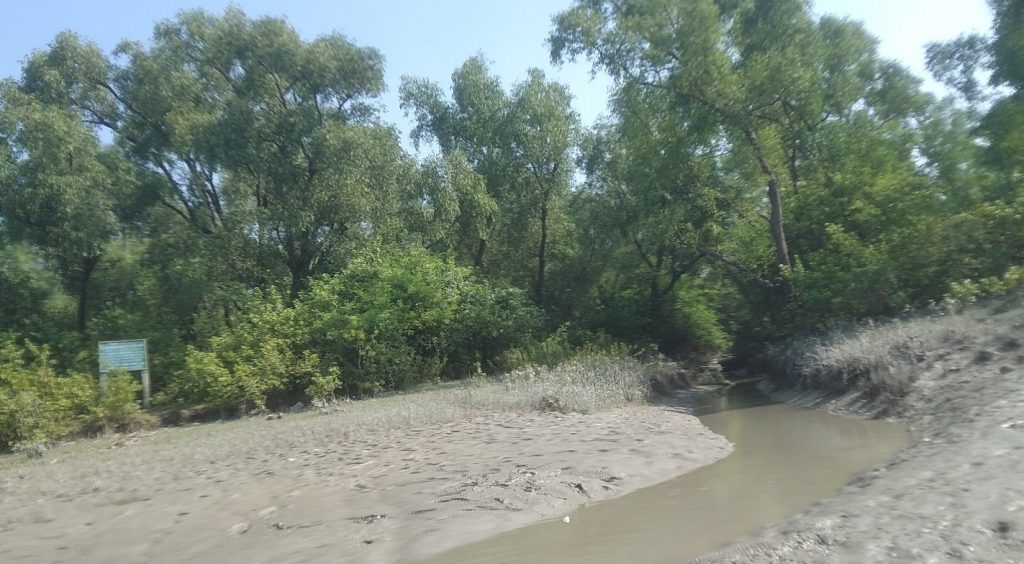
This report synthesizes one year of field observations and scientific insights to offer practical strategies for addressing the pressing economic and environmental challenges facing the Nijhum Dwip, emphasizing the urgent need for collective action to safeguard this unique and invaluable ecosystem for future generations.
*iBOL Postdoctoral Research Fellow, and
Founder: Environment and Community Development Embed (ENCODE) (www.encodeworld.org).
E-mail: mazumdarsantosh@gmail.com
Supportive references:
Ahmed, S., et al. (2022). Economic Contributions of Mangrove-Derived Honey Production in Bangladesh. Journal of Environmental Economics.
Ahmed, S., et al. (2023). Economic Contributions of Mangrove-Derived Honey Production in Bangladesh. Journal of Environmental Economics.
Bangladesh National Biodiversity Strategy and Action Plan (2016). Ministry of Environment and Forests, Government of Bangladesh.
Basak, S. R. (2019). Mangrove Ecosystems in Bangladesh: An Ecological and Economic
Department of Forestry, Bangladesh (2023). Annual Report on Forest Restoration Efforts.
Department of Forestry. (2023). Annual Report on Mangrove Restoration in Bangladesh.
Food and Agriculture Organization (FAO). (2020). Pollinators and Their Contribution to Ecosystem Services. Food and Agriculture Organization of the United Nations.
Food and Agriculture Organization (FAO). (2020). The Role of Pollinators in Agricultural Ecosystems.
IPBES Global Assessment Report on Biodiversity and Ecosystem Services (2019).
IPBES. (2019). The Global Assessment Report on Biodiversity and Ecosystem Services.
Karim, M., et al. (2021). Pollination Services and Agricultural Productivity in Bangladesh: A Case Study of Nijhum Dwip. Bangladesh Agricultural University.
UNDP. (2021). Climate Change Adaptation Strategies for Coastal Regions of Bangladesh.
World Wildlife Fund (2020). Mangrove Forests: Critical Habitats for Carbon Sequestration. WWF Global Report.
WWF. (2020). Mangrove Forests: Critical Habitats for Carbon Sequestration. WWF Global Report.
WWF. (2020). The Role of Mangroves in Carbon Sequestration and Climate Mitigation.

Dr. Santosh Mazumdar
iBOL Postdoctoral Research Fellow, and Founder: Environment and Community Development Embed (ENCODE) (www.encodeworld.org).
E-mail: mazumdarsantosh@gmail.com
Google Scholar | ResearchGate | ORCHID