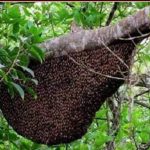

Agriculture is the backbone of Bangladesh’s economy, sustaining the livelihoods of millions and contributing to food security. However, insect pests pose a constant threat to crop productivity, often leading farmers to rely heavily on chemical pesticides. While effective, these chemicals can cause adverse environmental and health impacts. To address these challenges, nanobiotechnology emerges as a promising alternative, offering innovative pest management solutions while supporting pollinators and ecological balance. Starting in 2014, researchers, including the author, have been exploring the use of nanoparticles across different crops in laboratory and field studies conducted at the Bangladesh Council of Scientific and Industrial Research (BCSIR) in Chittagong. Very recently, they noted that used nanoparticle treatments on chickpea (Cicer arietinum) plants to manage pests while analyzing pollinator interactions. By employing DNA barcoding techniques, researchers identified ecological and economic valued insect species in nano-treated fields. These findings underscore the importance of balancing pest control and biodiversity conservation in future agricultural strategies. Hence, Ago-nanobiotechnology has the potential to revolutionize agriculture, ensuring both productivity and ecological sustainability.
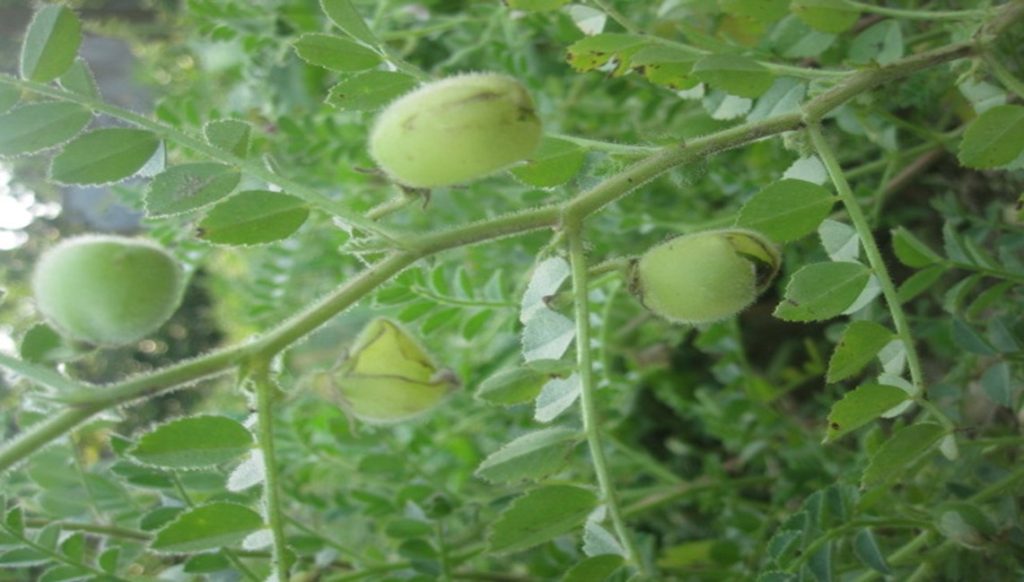
This blog delves into how nanoparticles (NPs) can transform agriculture in Bangladesh, integrating research on the role of nanotechnology in managing pests and enhancing beneficial insect populations.
<h2>Understanding Nanobiotechnology</h2>
Nanobiotechnology combines the principles of nanotechnology and biological sciences to manipulate materials at a molecular scale (1-100 nanometers). At this tiny scale, materials exhibit unique properties that can be harnessed for a wide range of applications in agriculture. Nanoparticles—engineered from metal oxides, carbon, silica, and other materials—can be tailored for use in pest management, fertilizers, plant growth promotion, and soil health improvement. Their potential lies not only in their effectiveness but also in their ability to reduce environmental harm compared to conventional chemical solutions.
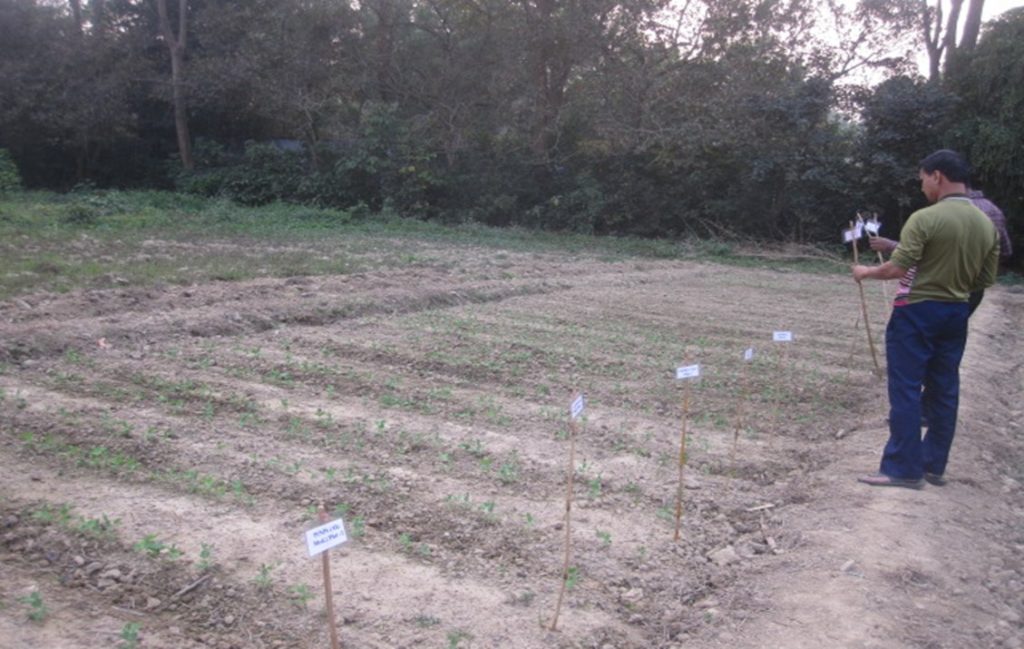
Nanoparticles in Pest Management
The application of nanoparticles in pest management offers a cutting-edge, eco-friendly alternative to traditional pesticides. Here’s how they work: Direct Toxicity: Some nanoparticles exhibit intrinsic insecticidal properties. For instance, Zinc oxide (ZnO) nanoparticles have shown effectiveness against common pests like aphids and caterpillars by causing oxidative stress, leading to pest death. Disruption of Insect Physiology: Nanoparticles can interfere with essential physiological functions in pests. Research indicates that Titanium dioxide (TiO2) nanoparticles can disrupt the hormonal balance in insects, affecting reproduction and growth. This targeted disruption helps in pest control without affecting other non-target organisms. Biopesticide Delivery: Nanoparticles can be used as carriers for biopesticides, improving their delivery and persistence in the field. For instance, the encapsulation of neem oil in nanoparticles enhances its effectiveness against pests like aphids, while reducing its impact on beneficial insects.
Case Studies from Bangladesh
In Bangladesh, studies have started to explore the use of nanoparticles for sustainable pest management. One notable that a combination of Silver nanoparticles and neem extract effectively reduced cotton aphid (Aphis gossypii) populations, demonstrating a promising alternative to chemical pesticides. Such studies highlight the potential of integrating nanoparticles into Integrated Pest Management (IPM) systems to build more resilient agricultural practices.
Globally, nanotechnology in pest control is also gaining momentum. In India, nanofertilizers that release pest-repellent compounds alongside nutrients are being developed, offering a dual-function solution that increases crop yield while deterring pests.
Enhancing Beneficial Insects with Nanoparticles
While controlling pests is critical, it is equally important to protect and enhance populations of beneficial insects such as pollinators and natural predators. These insects are essential for maintaining biodiversity and supporting agricultural productivity.
- Nutrient Delivery for Pollinators: Nanoparticles can be used to deliver essential nutrients to beneficial insects. For example, gold nanoparticles have been shown to enhance the survival and reproduction of honeybees by improving their immune response and overall health.
- Protection from Pesticides: Nanoparticles can reduce the toxicity of pesticides to beneficial insects by encapsulating the active ingredients and ensuring controlled release. This allows for precise targeting of pests while sparing pollinators and other non-target species.
- Improving Habitats for Pollinators: By enhancing soil health and plant growth, nanoparticles can create more favorable conditions for beneficial insects. For instance, nanosilica has been shown to improve soil structure and nutrient availability, creating a more biodiverse ecosystem that attracts pollinators.
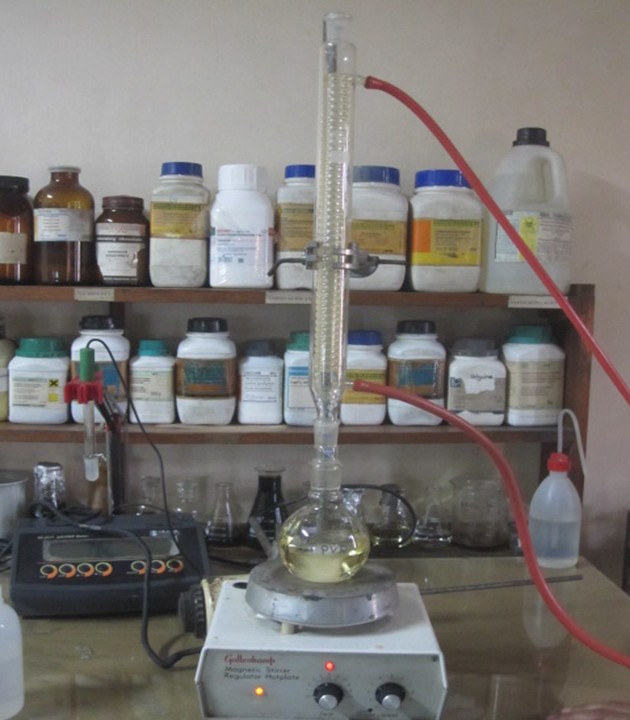
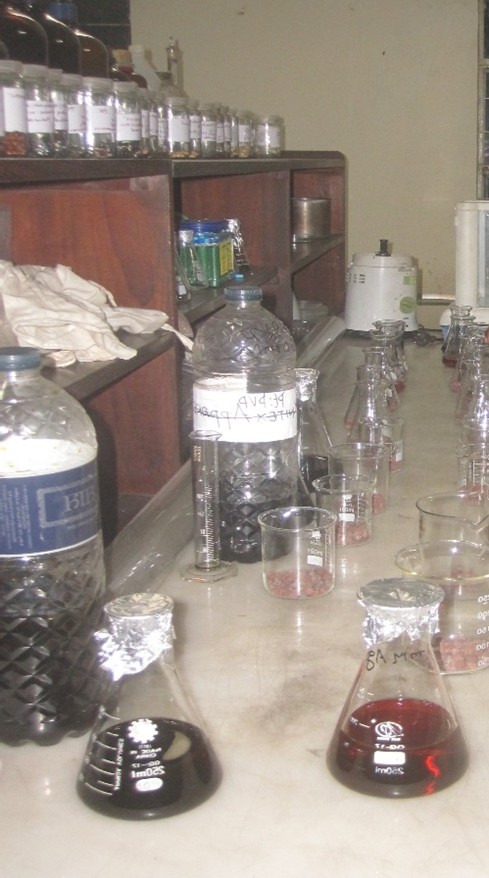
Case Studies from Bangladesh and Beyond
Nanoparticles and nanobiotechnology have emerged as promising tools for enhancing seed germination and growth performance in crops such as Pisum sativum (peas), wheat, and rice, with significant implications for sustainable agriculture both in Bangladesh and globally. Research has shown that Zinc oxide (ZnO) nanoparticles can significantly improve germination rates, enhance root and shoot development, and increase biomass accumulation in Pisum sativum. Treated plants often exhibit higher chlorophyll content and greater resistance to root pathogens, indicating that ZnO nanoparticles can substantially promote crop health and yield. Similarly, Silver nanoparticles have been found to enhance the growth performance of wheat, leading to improved germination rates, greater plant height, and increased yields, particularly under suboptimal conditions. On a broader scale, Titanium dioxide (TiO₂) nanoparticles have demonstrated the ability to enhance seed germination and overall plant vigor in both rice and wheat, highlighting their role in improving photosynthetic efficiency and nutrient uptake. Additionally, biogenic nanoparticles derived from fruit extracts have been shown to enhance seed germination and growth parameters like plant height and leaf area, providing a sustainable alternative to chemical fertilizers. Furthermore, silica nanoparticles have been reported to improve root elongation and nutrient uptake in rice, resulting in increased overall biomass. Collectively, these studies illustrate the transformative potential of nanotechnology in agriculture, enhancing growth performance and promoting sustainable practices, although further research is necessary to assess long-term environmental impacts and optimize application methods for practical use.
Economic Implications of Nanobiotechnology in Agriculture
The adoption of nanotechnology in pest and pollinator management holds significant economic potential:
- Increased Crop Yields: By reducing pest damage, nanoparticle treatments can lead to higher crop yields. Furthermore, nanoparticle-based pest management could increase rice yields in Bangladesh by up to 20%, directly benefiting farmers.
- Lower Pesticide Costs: Nanotechnology allows for targeted applications of pesticides, reducing the overall volume needed. This translates into cost savings for farmers and reduced environmental contamination.
- New Market Opportunities: As consumer demand for sustainably produced food rises, adopting nanotechnology can create market advantages for farmers. Products produced with minimal pesticide use can be marketed as environmentally friendly, attracting premium prices.
- Job Creation: The development of nanoparticle-based agricultural products offers opportunities for innovation and employment. Jobs in research, production, and application of nanotechnology in agriculture could stimulate rural economies.
Ecological Implications of Nanobiotechnology
Beyond economic gains, the ecological benefits of using nanobiotechnology are noteworthy:
- Biodiversity Conservation: By reducing reliance on harmful pesticides, nanoparticle-based solutions can help conserve biodiversity in agricultural ecosystems, preserving the delicate balance between pests and beneficial organisms.
- Improved Soil Health: Nanoparticles can enhance soil structure and nutrient retention, supporting healthier plant growth and improving the resilience of ecosystems.
- Climate Resilience: Sustainable pest management using nanotechnology can increase the resilience of agricultural systems to climate change. Nanoparticles contribute to reduced chemical input and promote biodiversity, mitigating the effects of extreme weather events.
- Minimizing Pollution: Targeted nanoparticle applications minimize pesticide runoff into water bodies, helping protect aquatic ecosystems from contamination.
Challenges and Considerations
Despite the potential benefits, several challenges must be addressed:
- Regulatory Frameworks: Comprehensive regulations are needed to ensure the safe application of nanoparticles in agriculture. The environmental and health risks of nanoparticle use require thorough assessment before widespread adoption.
- Public Perception: The acceptance of nanotechnology in agriculture hinges on public understanding of its benefits and safety. Transparency in communication will be crucial to build trust among consumers and farmers.
- Research Gaps: More research is needed to understand the long-term impacts of nanoparticles on ecosystems and human health. Closing these knowledge gaps will ensure that nanotechnology is applied safely and sustainably.
- Economic Accessibility: Ensuring that smallholder farmers have access to nanotechnology is essential for equitable agricultural development. Support programs will be vital to help farmers adopt these advanced technologies.
Finally, Nanobiotechnology presents transformative opportunities for sustainable agriculture in Bangladesh and beyond. By integrating nanoparticle-based solutions into pest management and pollinator protection, agriculture can become more productive and environmentally sustainable. However, to fully harness the potential of nanotechnology, challenges related to regulation, public perception, and economic accessibility must be addressed. If implemented wisely, nanotechnology could revolutionize agricultural practices, contributing to food security, ecological preservation, and the well-being of rural communities worldwide.
Supportive references:
Adeel, M., & Khan, M. N. (2020). Nanotechnology in Pest Management: Current Status and Future Directions. Journal of Nanobiotechnology, 18(1), 1-15.
Adeel, M., Ali, M., & Iqbal, M. (2020). Nanotechnology in Agriculture: Current Trends and Future Perspectives. International Journal of Environmental Science and Technology, 17(3), 1231-1246.
Fang, Y., Wu, Q., & Zhou, H. (2022). Nanotechnology in Agriculture: An Overview of Potential Applications and Challenges. Nanotechnology Reviews, 11(1), 1-14.
Fathi, A., Tohidi, M., & Khodadadi, H. (2023). Nanoparticle-Enriched Food Supplements for Pollinators: A New Approach to Bee Health. Environmental Entomology, 52(2), 450-460.
Ghosh, S., Gupta, S., & Das, A. (2022). Impact of Nanosilica on Soil Health and Its Role in Sustainable Agriculture. Journal of Soil Science and Plant Nutrition, 22(4), 1023-1035.
*International Barcode of Life (iBOL) Research Fellow, and Founder: Environment and Community Development Embed (ENCODE) (www.encodeworld.org). E-mail: mazumdarsantosh@gmail.com

Dr. Santosh Mazumdar
iBOL Postdoctoral Research Fellow, and Founder: Environment and Community Development Embed (ENCODE) (www.encodeworld.org).
E-mail: mazumdarsantosh@gmail.com
Google Scholar | ResearchGate | ORCHID