
In an ever-evolving world, education stands at the forefront of change, guided by the convergence of technology, nature, and core human values. This paradigm shift is not just about incorporating the latest gadgets into classrooms, but about fostering an ecosystem where students develop creativity, critical thinking, and ethical reasoning—tools that will allow them to navigate the complexities of the future. As we move forward, education must inspire students to think holistically, embracing both technological advancements and sustainable practices while remaining grounded in the principles that promote justice, empathy, and responsibility.
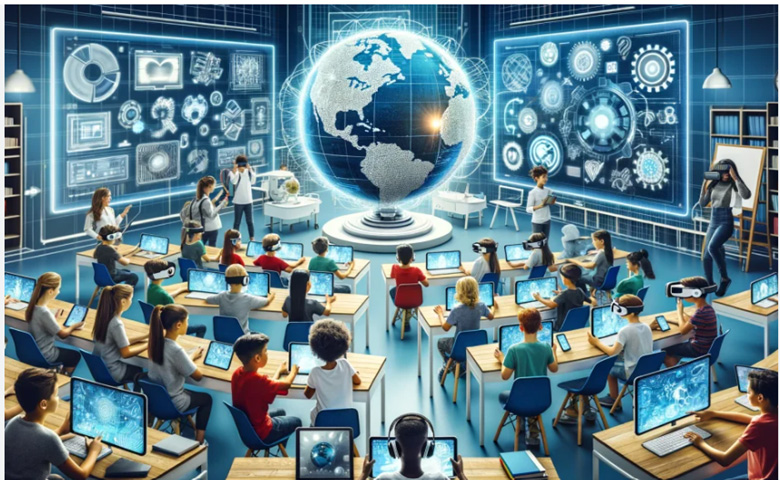
The concept of “Innovating Education: Where Tech Meets Nature and Values” (EcoTechMoral Education or ETM Education) is inspired by a broad spectrum of experiences, shaped by interactions with self-educated visionaries, scholars, scientists, naturalists, and spiritual thinkers. These encounters have underscored the deep connections between technological advancement, environmental consciousness, and moral values. In addition, as Principal of an educational institute during the COVID-19 pandemic, I witnessed firsthand the need for an education system that addresses the challenges of a rapidly changing world. The pandemic accelerated the shift to digital platforms like Online Classroom and TechLearn, revealing both the opportunities and limitations of technology in education, such as the digital divide and mental health concerns. Simultaneously, it sparked a heightened awareness of environmental sustainability and the importance of integrating ecological consciousness into teaching practices. Through this experience, the enduring role of moral values—empathy, ethical responsibility, and community support—became evident. These insights have led to the vision of an educational model that balances technological innovation, ecological awareness, and moral education, preparing students to face future challenges with resilience, adaptability, and integrity. By fostering a value-driven approach, ETM Education aims to cultivate a generation of leaders who will guide society toward a smarter, more sustainable, and compassionate future.
Key Innovations in Pedagogical Technologies
Emerging technologies are reshaping the educational landscape, offering new ways to engage students and enhance learning experiences.
AI-Powered Personalized Learning:
Artificial Intelligence (AI)-powered personalized learning lies at the heart of the ETM Education approach, seamlessly integrating technology with natural sciences and ethical values. AI customizes educational experiences by tailoring content, pace, and assessments to meet individual student needs, fostering an inclusive and dynamic learning environment. Beyond personalization, AI empowers learners by delivering advanced tools for data analysis in genomics, proteomics, bioinformatics, and cutting-edge fields like nanobiotechnology. These applications encourage deeper engagement, enabling students to explore the interconnectedness of technology and nature. By bridging innovative tech with values-driven education, ETM Education promotes not only improved academic outcomes but also a deeper understanding of the ethical and environmental implications of scientific advancements, equipping learners to shape a sustainable future.
Immersive Learning Through AR and VR:
Augmented Reality (AR) and Virtual Reality (VR) create interactive and experiential learning environments. By simulating ecosystems or historical events, these tools make abstract concepts tangible and memorable.
Gamification in Education:
Gamified platforms incorporate elements like points, levels, and rewards to boost motivation. These tools enhance problem-solving, collaboration, and critical thinking skills in engaging ways.
Eco-Integrated Learning Tools:
Technologies for biodiversity mapping, climate modeling, and sustainability simulations immerse students in nature-based education. These tools promote ecological stewardship alongside academic growth.
Blockchain for Credentialing:
Blockchain ensures secure, transparent verification of academic achievements, promoting inclusivity and equitable recognition of skills across diverse educational backgrounds.
Collaborative Learning Platforms:
Global digital platforms enable real-time collaboration, fostering cultural exchange, teamwork, and innovation. These tools prepare learners for interconnected challenges.
Adaptive Assessments and Analytics:
AI-driven assessment tools analyze performance data to provide actionable feedback. Educators can adjust teaching strategies to meet individual student needs effectively.
Assistive Technologies for Inclusivity:
Text-to-speech, speech-to-text, and other assistive tools ensure that differently-abled learners have equal access to education. These innovations drive inclusivity and equity.
STEAM-Centered Integration:
Technological tools integrate Science, Technology, Engineering, Arts, and Mathematics (STEAM) with real-world applications. This interdisciplinary approach nurtures creativity and innovation.
Professional Development for Educators:
Interactive training platforms empower teachers to adopt digital and eco-conscious pedagogies. These tools enhance their ability to deliver engaging, values-driven lessons.
Hybrid and Flexible Learning Models:
Blended learning combines traditional, digital, and outdoor methods, catering to diverse learning styles while promoting a balanced educational experience.
Digital Tools and ICT:
Smart devices, cloud platforms, and gamified applications make education more accessible, personalized, and flexible, ensuring that all students are equipped to succeed.
Experiential Learning:
Fieldwork, simulations, and collaborative projects bridge theory with real-world applications, preparing students for practical problem-solving.
Nature-Adaptive Technologies:
Interactive tools for studying ecosystems and sustainability deepen students’ understanding of environmental issues and encourage responsible behavior.
The Role of Emerging Technologies in Education
Several emerging technologies have the potential to revolutionize education, offering personalized, immersive, and inclusive learning experiences.
Personalized and Adaptive Learning:
AI enables tailored learning pathways, adapting to student abilities and learning styles. These systems foster deeper engagement, improve outcomes, and free educators to focus on mentorship and interactive teaching.
Enhanced Accessibility:
Digital technologies, such as satellite-based internet and low-cost devices, close the digital divide by connecting underserved communities. Assistive technologies ensure inclusivity for students with disabilities, creating equal opportunities for learning.
Immersive Learning Experiences:
Augmented Reality (AR) and Virtual Reality (VR) transform education by making abstract concepts tangible. These tools enhance understanding through experiential learning, such as exploring ecosystems or historical reenactments in virtual environments.
Eco-Conscious and Nature-Based Learning:
Technologies promote environmental education through tools like biodiversity mapping apps and climate change simulations. Integrating nature-based learning with technology encourages ecological stewardship and sustainability awareness.
Global Connectivity and Collaboration:
Digital platforms connect educators and students across the globe, fostering cultural exchange and collaboration. Virtual classrooms and online communities prepare learners for a globally connected world.
Ethical and Responsible Use:
Integrating ethical frameworks with technology educates students on navigating the digital world responsibly. This ensures the development of empathy, fairness, and accountability alongside technical proficiency.
STEAM Integration:
Technologies enable the fusion of STEAM education with practical applications, nurturing creativity, critical thinking, and problem-solving skills for future industries.
Teacher Empowerment:
AI-driven analytics and EdTech tools reduce administrative burdens, allowing teachers to focus on quality instruction. Professional development programs equip educators to incorporate digital and sustainability concepts effectively.
Blockchain for Inclusivity:
Blockchain technology secures and verifies credentials, ensuring equal opportunities for all students to showcase their qualifications. This enhances trust and inclusivity in education systems.
Scalable Solutions and Partnerships:
Public-private collaborations provide scalable tools like affordable EdTech platforms and eco-friendly infrastructure, extending the benefits of emerging technologies to diverse communities.
Data-Driven Insights:
Educational technologies generate insights into student engagement and performance, helping educators optimize teaching strategies and support personalized growth.
Pre-primary Education: Laying the Foundation
The early years of education are vital in shaping the intellectual and moral foundations of a child. Pre-primary education provides a unique opportunity to integrate nature, technology, and moral teachings to create a balanced and holistic learning environment.
Nature Integration:
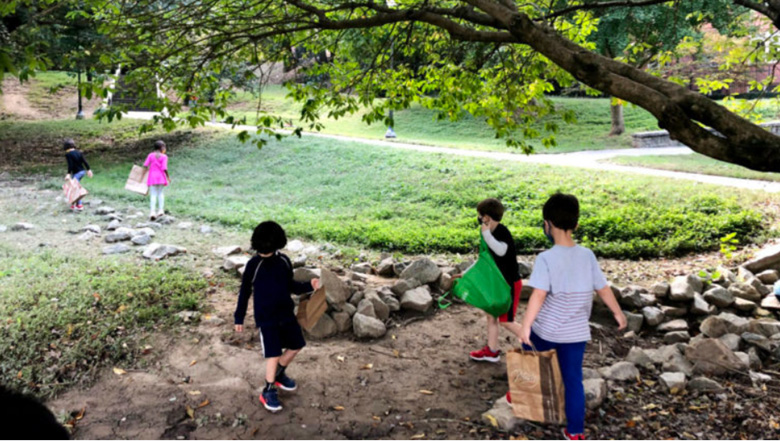
Outdoor activities, such as guided walks or environmental storytelling, encourage environmental stewardship and foster a sense of responsibility toward the planet. These experiences help children develop a deep connection with nature and a greater understanding of sustainability from a young age.
Moral Foundations:
Pre-primary education should embed core values such as empathy, fairness, and respect. Storytelling and group activities can instill a sense of compassion, helping children understand the importance of cooperation and ethical behavior from the outset.
Digital Exposure:
Early exposure to technology in an age-appropriate manner is essential for developing creativity and cognitive skills. Educational apps and interactive digital tools can enhance learning experiences, but it’s critical to maintain a balance to prevent excessive screen time, allowing room for face-to-face social interaction.
Primary and Secondary Education: Broadening Horizons
As students transition into primary and secondary education, the focus shifts toward expanding their intellectual capacity while nurturing ethical reasoning and technological proficiency.
STEAM Education:
The integration of Science, Technology, Engineering, Arts, and Mathematics (STEAM) encourages interdisciplinary learning. It provides students with both technical expertise and creative problem-solving abilities, preparing them to solve complex issues in innovative ways.
Project-Based Learning (PBL):
PBL emphasizes the importance of real-world problem-solving. By addressing challenges like climate change or social justice, students learn how to work collaboratively, think critically, and make decisions that consider ethical implications. This approach not only fosters teamwork but also deepens students’ understanding of the real-world complexities they will face.
Ethical Reasoning:
As students mature, it becomes essential to equip them with the ability to make thoughtful decisions based on ethical principles. Discussions around sustainability, equity, and justice allow students to understand the societal impacts of their choices and develop a moral framework that guides their actions.
Higher Education: Shaping Global Leaders
Higher education plays a critical role in preparing students for leadership in a global, interconnected world. Institutions must go beyond providing knowledge; they must foster innovation, ethical leadership, and ecological consciousness.
Technological Integration:
Universities should embrace technologies such as Artificial Intelligence (AI), Virtual Reality (VR), and other digital tools to create immersive, collaborative learning experiences. These tools can help students gain deeper insights into complex subjects and promote innovation across disciplines.
Ecological Consciousness:
Education must focus on preparing students to address global challenges, including climate change, resource conservation, and ecological resilience. Universities should prioritize sustainability education to equip students with the knowledge and skills to contribute to environmental solutions.
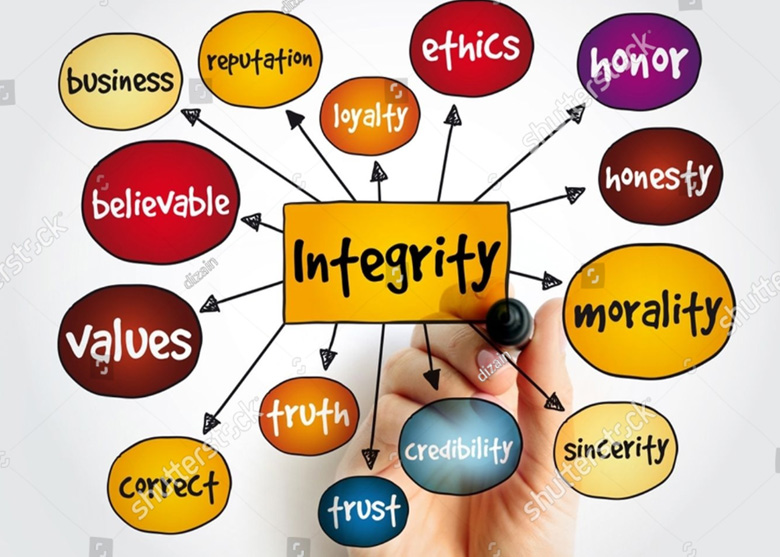
Ethical Development:
Higher education must also nurture ethical leadership. By integrating moral reasoning into curricula, universities can ensure that graduates are capable of making responsible decisions that drive societal progress. A strong ethical foundation prepares students to lead with integrity, making positive contributions to the global community.
Disparities in Global Teaching and Learning
The global education system is characterized by stark disparities that limit equitable access to quality learning. These inequalities arise from economic, technological, cultural, and infrastructural challenges, disproportionately affecting marginalized communities. ETM Education, which integrates technology, nature-based learning, and ethical values, offers transformative opportunities to bridge these gaps and create an inclusive education ecosystem.
Economic Inequality:
Wealthier students enjoy greater access to advanced resources and extracurricular activities, creating an uneven playing field. Scholarships, low-cost technologies, and subsidized educational programs can help reduce this gap, enabling all students to thrive regardless of economic background.
Technological Divide:
A lack of devices and internet connectivity in underserved regions hampers digital learning. Initiatives like satellite-based internet, mobile learning platforms, and affordable EdTech solutions can democratize access, ensuring that all students benefit from digital advancements.
Teacher Distribution and Quality:
Rural and low-income areas often struggle to attract skilled educators, affecting education quality. Comprehensive teacher training programs emphasizing technology integration, environmental stewardship, and value-based education can enhance teaching standards globally.
Cultural and Language Barriers:
Minority and immigrant students face systemic biases and linguistic challenges that hinder their academic success. Multilingual resources and culturally responsive curricula can address these issues, promoting inclusivity and equity in education.
Gender Disparities:
Women are underrepresented in STEM fields due to systemic barriers. Encouraging participation through targeted programs, mentorship opportunities, and inclusive curricula can pave the way for gender equity in education and the workforce.
Infrastructure Inequalities:
Schools in underserved areas often lack facilities for both digital and nature-based education. Investments in eco-friendly infrastructure, renewable energy, and outdoor learning spaces can create environments that support holistic development.
Ethical and Value-Based Education:
Ethics and social responsibility are often overlooked in curricula. Integrating these values alongside technology and environmental education ensures students develop a balanced perspective, preparing them for societal challenges.
STEAM and Environmental Integration:
A unified focus on STEAM education with nature-based learning promotes creativity, critical thinking, and ecological consciousness, equipping students with future-ready skills.
Climate and Environmental Education:
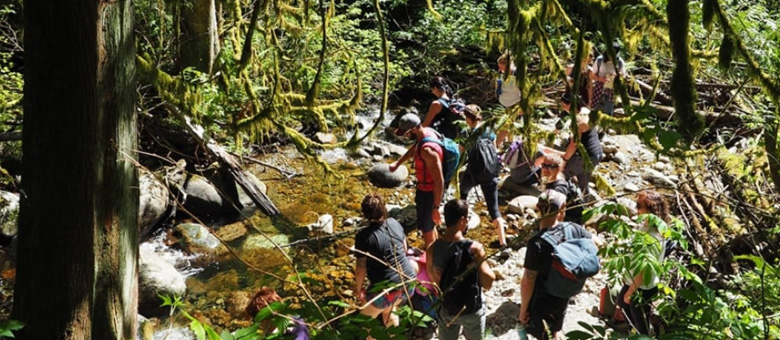
Incorporating sustainability projects and outdoor activities into curricula fosters ecological awareness and prepares students to address global environmental challenges effectively.
Public-Private Partnerships and Scalable Solutions:
Collaboration between governments, NGOs, and the private sector can fund innovative programs, ensuring equitable access to quality education across diverse regions.
Challenges and Future Directions for ETM Education in Bangladesh
While there is significant potential for educational innovation, Bangladesh mirror those seen in many other countries, both developed and developing faces several unique challenges in adopting and scaling these changes.
Digital Divide and Infrastructure Limitations:
Despite the rapid growth of internet connectivity in urban areas, many rural and remote regions of Bangladesh still face significant infrastructure challenges. These include unreliable internet access, power outages, and limited availability of digital devices, preventing students from accessing online learning platforms and educational resources.
Financial Constraints:
Financial constraints limit the ability of schools to purchase modern technological tools and infrastructure. The lack of sufficient funding for digital devices, internet connectivity, and teacher training hampers efforts to implement modern educational models in many schools.
Funding and Resource Allocation:
Limited funding remains a significant challenge for implementing educational innovations, particularly in underfunded public schools. The lack of financial resources restricts the scaling of digital learning platforms, teacher training programs, and the integration of new learning tools and technologies.
Teacher Training and Adaptability:
While initiatives like Teach for Bangladesh have made strides in improving teaching quality, many teachers still lack adequate training to effectively use new technologies and adopt innovative teaching methods, especially in rural schools. Many educators are unfamiliar with nature-based learning approaches and the integration of ethical education alongside technical skills.
Resistance to Change in Educational Institutions:
Traditional teaching methods, rigid curricula, and outdated educational paradigms often create resistance to the adoption of new models, such as integrating nature, technology, and values-based education. Some educational institutions are slow to innovate due to deeply ingrained practices, lack of resources, and a preference for conventional approaches.
Curriculum Reform for a Holistic Education:
The existing curriculum in many schools focuses heavily on rote learning and standardized testing, leaving little room for creativity, critical thinking, or environmental and ethical awareness. Integrating sustainability and values-based education into the current curriculum may face resistance from traditional stakeholders.
Limited Access to Nature-Based Learning Resources:
While nature-based learning offers a valuable hands-on approach to education, many schools, particularly in urban areas, lack the resources to incorporate outdoor learning activities or environmental studies into the curriculum. Limited green spaces, environmental study tools, and opportunities for hands-on learning hinder the implementation of nature-integrated education.
Ethical and Social Issues in Technology Integration:
The rapid advancement of digital technologies in education brings with it ethical concerns, such as data privacy, cyberbullying, and the digital safety of students. Furthermore, the widespread adoption of technology could exacerbate existing social inequalities, particularly for marginalized communities who lack access to digital resources.
Quality Assurance and Monitoring:
With the introduction of new digital learning platforms and innovative teaching methods, there is a need for robust quality assurance mechanisms to evaluate their effectiveness. Ensuring consistent educational outcomes across diverse contexts, both urban and rural, is crucial for sustained success.
Socioeconomic and Gender Inequality:
Socioeconomic disparities and gender inequality continue to pose significant barriers to accessing quality education in Bangladesh. Marginalized communities, including girls and children from low-income families, often lack access to the resources needed for effective learning.
Language Barriers:
The lack of localized educational content in Bangla limits the adoption of digital learning tools and resources for a majority of students. Many students face challenges understanding educational material presented in foreign languages, particularly when engaging with online content.
Opportunities for Educational Innovation in Bangladesh
Bangladesh stands at a transformative juncture in its educational journey, with immense opportunities to innovate and create a system that blends technology, nature, and moral values. The concept of EcoTechMoral Education (ETM Education) envisions an education framework that integrates emerging technologies, environmental stewardship, and ethical principles to build a sustainable, inclusive, and future-ready society.
Key opportunities for educational innovation in Bangladesh include:
Digital Learning Platforms:
Expanding internet access and leveraging mobile learning tools can bridge socio-economic and geographical gaps, ensuring equitable access to education. Initiatives like Shikkhok Batayon and Muktopaath exemplify the potential of public-private partnerships in creating interactive learning environments.
Teacher Training and Adaptability:
Continuous professional development focusing on technology integration, ecological literacy, and ethical education is essential. Empowering educators with these skills will foster creativity, critical thinking, and environmental stewardship among students.
Nature-Based Learning:
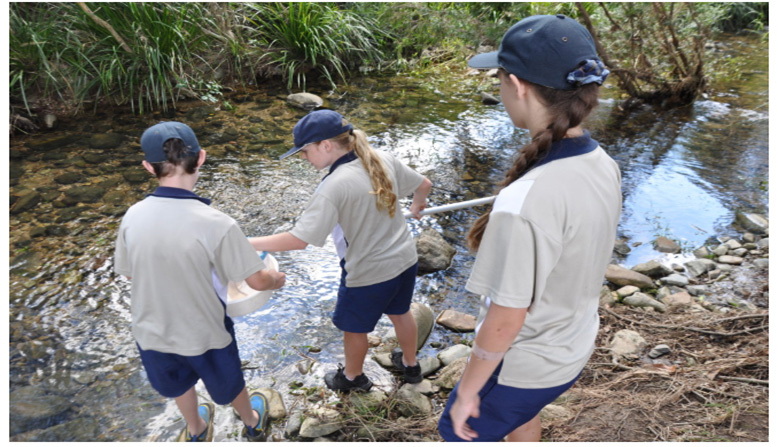
Integrating outdoor activities, sustainability projects, and environmental studies into curricula can foster ecological consciousness. Eco-friendly infrastructure and collaborations with environmental organizations can deepen students’ engagement with global sustainability challenges.
Ethical Education in a Digital Era:
The integration of ethical values such as empathy and social responsibility into the curriculum ensures that students navigate the digital world responsibly while addressing societal challenges.
STEAM Education for Future Skills:
Combining STEAM with environmental consciousness equips students for the global economy. This interdisciplinary approach fosters innovation while instilling a commitment to sustainability.
AI and Personalized Learning:
Artificial intelligence offers opportunities for adaptive, personalized education by catering to individual student needs. By automating administrative tasks, AI allows teachers to focus on creative and interactive instruction.
Public-Private Partnerships (PPP):
Collaborations among the government, NGOs, and private sector can provide resources and expertise to scale innovative educational solutions. These partnerships can ensure widespread implementation of digital tools, nature-based programs, and curriculum reforms.
Vocational and Skill-Based Education:
Incorporating practical skills such as coding, digital marketing, and entrepreneurship into curricula prepares students for an evolving job market, ensuring their relevance in the workforce.
Low-Cost Technologies for Inclusivity:
Developing affordable and assistive technologies ensures education remains accessible to marginalized and differently-abled students, fostering an inclusive learning environment.
Curriculum Reform for Holistic Education:
Transitioning from rote learning to interdisciplinary, project-based approaches promotes critical thinking, problem-solving, and ethical reasoning. This holistic reform nurtures socially responsible and technically proficient graduates.
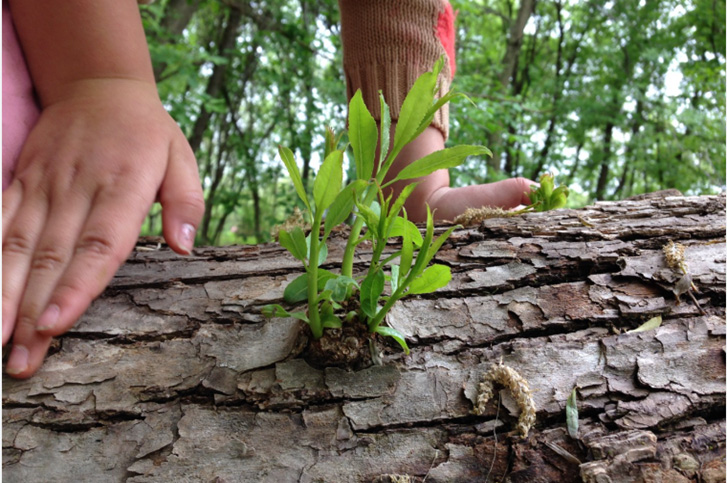
An innovative education, ETM Education system that integrates nature, technology, and moral values holds immense significance in preparing future generations to address global challenges. By blending innovation, environmental consciousness, and ethical development, this approach equips students with the skills and insights necessary for navigating the complexities of an interconnected world. It fosters responsible, knowledgeable, and creative individuals who are prepared to tackle environmental, technological, and ethical issues. This holistic education model ensures that learners of all ages develop a deep connection to nature, embrace modern technologies, and uphold strong moral principles, ultimately fostering a sustainable, inclusive future.
Supportive references:
Abdunabievich, F.A., Ugli, F.O.B. and Norbutaevna, N.D., 2022. Types of Pedagogical Technologies That Correspond to the Specifics of Moral and Aesthetic Education and Teaching of Students. European Scholar Journal, 3(3), pp.68-74.
Alpaydın, Y. and Demirli, C., 2022. Educational Theory in the 21st Century: Science, Technology, Society and Education (p. 267). Springer Nature.
Bhat, P. 2020. Meet the B.C. prof who’s now a UNESCO Chair on Biocultural Diversity and Education. https://www.nationalobserver.com/2020/12/17/features/bc-professor-david-zandvliet-unesco-chair-biocultural-diversity-education
Çelik, F. and Baturay, M.H., 2024. Technology and innovation in shaping the future of education. Smart Learning Environments, 11(1), p.54.
Facer, K., 2011. Learning futures: Education, technology and social change. Routledge. https://www.taylorfrancis.com/books/mono/10.4324/9780203817308/learning-futures-keri-facer.
Gordon, B. 2023. The Future of Education: Embracing Technology and Innovation. https://benjamingordongrant.com/the-future-of-education-embracing-technology-and-innovation/
HUA. 2024. Nature-based Early Learning Certificate. https://www.hamline.edu/academics/graduate/nature-based-early-learning
Kalogiannakis, M. and Papadakis, S., 2019. Evaluating pre-service kindergarten teachers' intention to adopt and use tablets into teaching practice for natural sciences. International Journal of Mobile Learning and Organisation, 13(1), pp.113-127.
Khan, M.S.H., Hasan, M. and Clement, C.K., 2012. Barriers to the introduction of ICT into education in developing countries: The example of Bangladesh. International Journal of instruction, 5(2): 61-80.
Kumar, K., Prakash, A. and Singh, K., 2021. How National Education Policy 2020 can be a lodestar to transform future generation in India. Journal of Public affairs, 21(3), p.e2500.
Li, J., 2021. Research on the reform and innovation of preschool education informatization under the background of wireless communication and virtual reality. Wireless Communications and Mobile Computing, 2021(1), p.3176309.
Mertala, P., 2019. Teachers’ beliefs about technology integration in early childhood education: A meta-ethnographical synthesis of qualitative research. Computers in Human Behavior, 101, pp.334-349.
Monkeviciene, O., Autukeviciene, B., Kaminskiene, L. and Monkevicius, J., 2020. Impact of innovative STEAM education practices on teacher professional development and 3–6-year-old children’s competence development. Journal of Social Studies Education Research, 11(4), pp.1-27.
Neumann, M.M., Anthony, J.L., Erazo, N.A. and Neumann, D.L., 2019, October. Assessment and technology: Mapping future directions in the early childhood classroom. In Frontiers in Education (Vol. 4, p. 116). Frontiers Media SA.
NPE. 2016. Intrinsic Benefits of Nature-based Education in Schools. https://www.natura-pacific.com/the-intrinsic-benefits-of-nature-based-education-in-schools/
Organisation for Economic Co-operation and Development [OECD], 2019. OECD future of education and skills 2030. OECD learning compass 2030. A series of concept notes.https://www.oecd.org/content/dam/oecd/en/about/projects/edu/education-2040/1-1-learning-compass/OECD_Learning_Compass_2030_Concept_Note_Series.pdf
Poplavskyi, M., 2021. Innovative technologies in modern higher education: European experience and Ukrainian context. Revista on line de Política e Gestão Educacional, pp.1698-1711.
Serdyukov, P., 2017. Innovation in education: what works, what doesn’t, and what to do about it?. Journal of research in innovative teaching & learning, 10(1), pp.4-33.
Skilbeck, M. and Connell, H., 2004. Teachers for the Future: The Changing Nature of Society and Related Issues for the Teaching Workforce. Ministerial Council on Education, Employment, Training and Youth Affairs (NJ1).
UNICEF. 2024. Strengthening education systems and innovation. https://www.unicef.org/education/strengthening-education-systems-innovation
Zhao, X., Pan, F., Ma, X., Raza, S.A. and Zhou, X., 2023. New challenges in mitigating climate change: Digital teaching for the sustainable development and innovation. Heliyon, 9(12). e2282