The Sundarbans, the world’s largest mangrove forest spanning approximately 10,000 square kilometers, with about 60% situated in Bangladesh and the remaining 40% in India, is a UNESCO World Heritage Site renowned for its rich biodiversity, and play vital role in supporting the livelihoods of around 4.5 million people, predominantly belonging to various ethnic groups, including Bengali and indigenous communities. This complex ecosystem, with its tidal waterways and diverse flora and fauna, is crucial for local communities engaged in fishing, honey collection, and agriculture. Bees play a central role in this environment, contributing to pollination, honey, and wax production, which are essential for socioeconomic stability. However, threats from climate change, habitat loss, and socioeconomic pressures jeopardize both bee populations and the livelihoods they support. This urgent situation underscores the necessity for targeted conservation and climate resilience initiatives to protect both the bees and the communities that depend on them.
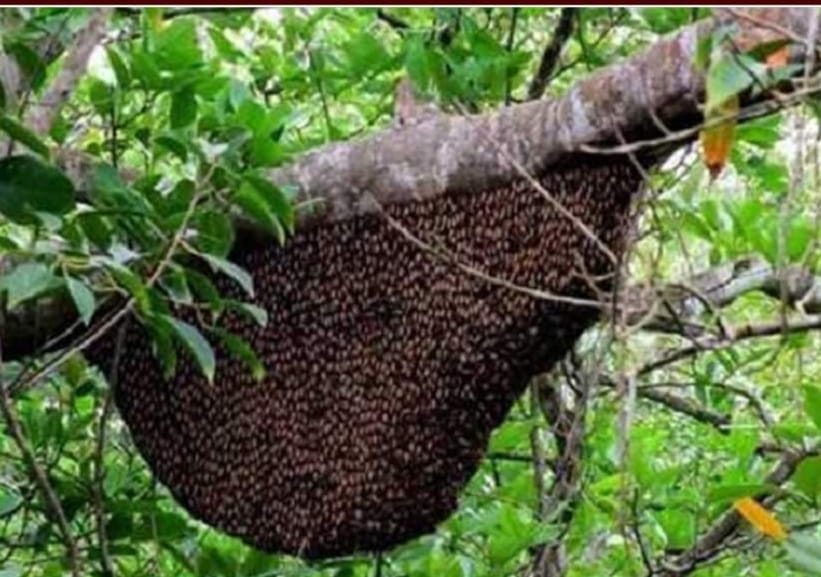
Image: Beehive on the branch of the tree Cannonball tree (Xylocarpus granatum)
Bees to Livelihoods and the Economy
Bees are pivotal to the livelihoods of communities in the Sundarbans, playing an indispensable role in sustaining local economies and biodiversity. The Sundarbans is home to native bee species like Apis dorsata, whose honey is renowned for its medicinal properties and exported globally. Honey production, or “mou,” remains a traditional yet vital source of income, with Bangladesh alone producing 500-1,000 metric tons of honey annually, contributing significantly to both local economies and the national GDP. Beyond honey, beeswax offers additional economic value, finding use in cosmetics, pharmaceuticals, and candles, supporting cottage industries. The economic contribution of bees, however, extends beyond honey and wax. In addition, Beekeeping not only supports honey production but also other socio-economic activities, such as bee nursing and the maintenance of traditional livelihoods by “Mawals” (honey collectors). Through pollination, bees ensure the productivity of various crops, including fruits, vegetables, and oilseeds, which directly enhances agricultural yields and food security. Pollination is estimated to increase crop yields by 25-30% in regions like the Sundarbans, highlighting the integral role bees play in agricultural productivity and rural economies. In this way, bees support both forest-based and agricultural livelihoods, providing an eco-friendly, sustainable means of income for forest-dependent communities. In India, government programs such as the National Beekeeping & Honey Mission (NBHM) and the National Bee Board (NBB) recognize the potential of beekeeping for poverty alleviation, particularly for marginalized rural communities. These initiatives not only promote honey production but also emphasize the importance of bees for pollination, biodiversity conservation, and agricultural enhancement. Both Bangladesh and India recognize the critical role of bees in rural economies, yet the increasing threats posed by climate change, environmental degradation, and unsustainable practices necessitate urgent action. Given the importance of bees to food security and economic stability, both countries must invest in sustainable beekeeping practices, habitat conservation, and climate resilience strategies. These efforts will safeguard both the livelihoods of local communities and the biodiversity of the Sundarbans, ensuring that bees continue to contribute to rural economies and the national GDP.
Enhancing Biodiversity in the Sundarbans
Bees are essential in enhancing the biodiversity of the Sundarbans by facilitating the pollination of various native plant species, which is essential for maintaining the region’s ecological integrity. These pollinators are critical for the reproduction of key mangrove species such as Gewā /গেওয়া (Excoecaria agallocha), Garān /গরান (Ceriops decandra), Kānchan/ কাঞ্চন (Avicennia officinalis), Keora / কেওড়া (Sonneratia apetala), Nipā /নিপা (Nypa fruticans), Hetal/ হেতাল (Phoenix paludosa), Bain/ বাইন (Avicennia marina), Kaṛā /কড়া (Aegiceras corniculatum), Sundari/ সুন্দরি (Heritiera fomes), Cannonball tree/ জির (Xylocarpus granatum), and Khalishī /খলসী (Aegialitis rotundifolia) are vital for sustaining the habitat and food sources for local wildlife, including endangered species like the Bengal tiger. The intricate relationship between bees and plant life ensures not only the regeneration of these plants but also the overall health of the mangrove ecosystem. Research indicates that diverse ecosystems are more resilient to environmental changes, underscoring the role of bees in bolstering species diversity. Pollination by bees enhances the regeneration of mangrove forests, which are crucial for coastal protection and habitat stability. The health of bee populations is directly correlated with the biodiversity of the Sundarbans; a decline in bee numbers due to climate change, habitat destruction, and pesticide use threatens both plant diversity and the broader ecosystem services they provide, including carbon sequestration, which is vital for climate mitigation. Moreover, the biodiversity supported by bees is essential for the livelihoods of local communities, who depend on forest products for food, medicine, and income. Protecting bee populations is therefore not only a conservation imperative but also a matter of socioeconomic resilience. With over 15% of critical bee habitats in the Sundarbans already lost, urgent conservation efforts are needed to safeguard this unique ecosystem and the myriad species that inhabit it. By enhancing plant diversity, bees contribute significantly to ecosystem stability, showcasing their indispensable role in the conservation of the Sundarbans.
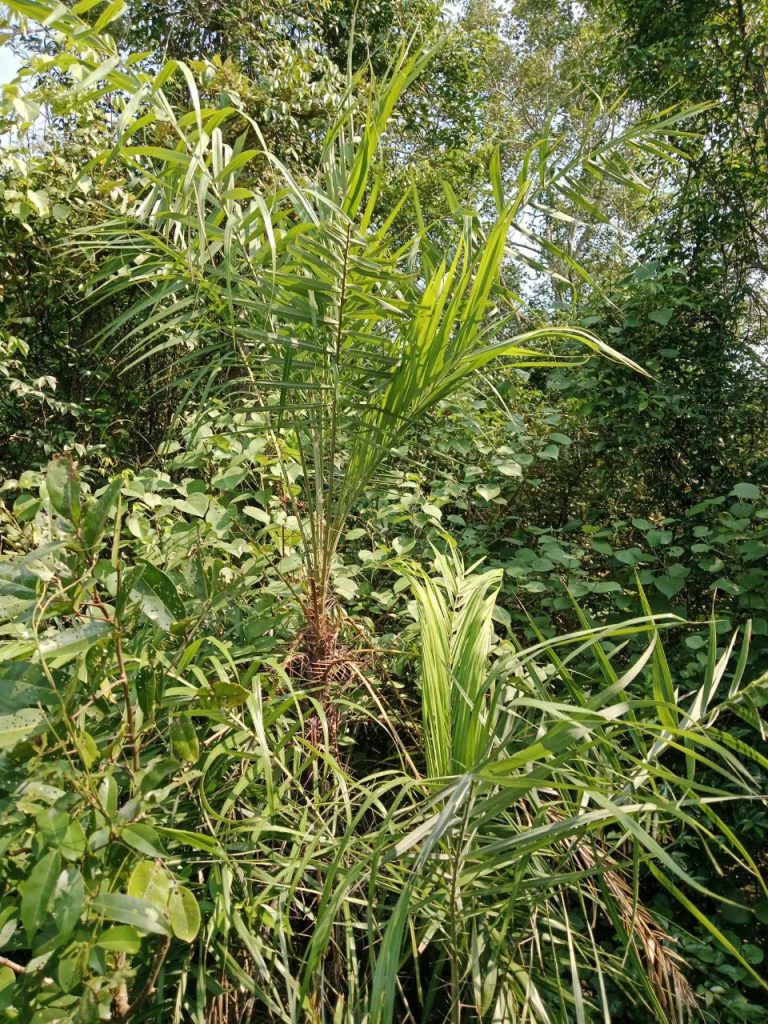
Image: A bee plant, Hetal (Phoenix paludosa) in Sundarbans
Climate Change and Its Impact on Bees, Plants, and Local Communities
The Sundarbans, recognized as one of the world’s most climate-vulnerable regions, faces significant threats from climate change, including rising sea levels, increasing salinity, and more frequent extreme weather events such as cyclones. These environmental shifts have profound impacts on both bee populations and the flora they rely on for sustenance. As habitat loss intensifies and the availability of bee plants diminishes, bees experience a decline in food sources, resulting in weakened populations and reduced pollination rates. Rising temperatures have contributed to an average increase of 0.6°C over the past decade, while salinity levels have surged by 18%, disrupting flowering cycles of key mangrove species. This reduction in nectar availability adversely affects bee health and honey production. Cyclones, like Amphan in 2020, have further devastated bee habitats, leading to significant losses in honey yields and, consequently, economic hardship for local communities reliant on beekeeping and other forest products. The Intergovernmental Panel on Climate Change (IPCC) underscores the importance of pollinators in maintaining agricultural productivity and biodiversity, highlighting the interconnectedness of bees, plants, and local economies (IPCC, 2021). As climate-induced pressures escalate, the livelihoods of beekeepers and the local communities that depend on them become increasingly precarious. The erosion of traditional income sources forces communities to seek alternative, often unsustainable, livelihoods, exacerbating environmental degradation.
Immediate action is required to mitigate these impacts, including the promotion of sustainable beekeeping practices, habitat restoration, and enhanced resilience against climate variability. Protecting bee populations is essential not only for preserving biodiversity but also for ensuring the economic stability of communities in the Sundarbans, highlighting the urgent need for integrated conservation strategies that address both ecological and socioeconomic challenges.
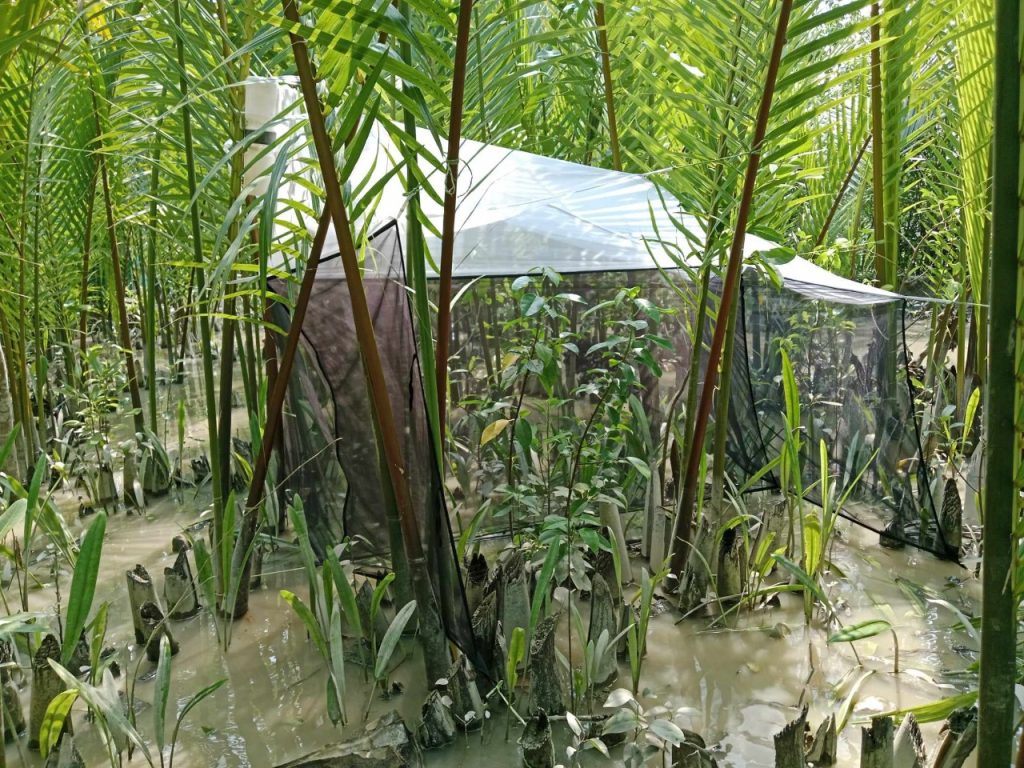
Image: Arthropod sample collections through Malaise Trap
Addressing Economic and Ecological Crises
To address the economic and ecological crises facing bees, their supporting plants, and local communities in the Sundarbans, a multifaceted approach is essential. This includes implementing data-driven conservation strategies, promoting sustainable practices, and enhancing community engagement to build resilience against climate change impacts.
Conservation of Bee Habitats: Protecting and restoring bee habitats, particularly in sensitive ecosystems like the Sundarbans mangrove forests, is critical for sustaining both biodiversity and pollinator populations. Key bee plants such as Keora and Gewā provide essential nectar and pollen, making the preservation of these plants vital for bee survival. Deforestation and habitat degradation pose significant threats to these ecosystems, necessitating comprehensive conservation strategies.
Additionally, community-led initiatives that promote forest conservation and economic benefits through sustainable beekeeping can enhance both habitat preservation and local livelihoods. Cross-border cooperation between Bangladesh and India is essential for creating biodiversity corridors that mitigate habitat fragmentation, allowing for bee species migration and genetic diversity.
Climate-Resilient Beekeeping Practices: Fortifying and rehabilitating the natural habitats of bees is essential for their survival, particularly in the face of climate change. This involves safeguarding mangrove forests and ensuring the preservation of key bee plants, such as Keora and Gewā, from deforestation and habitat degradation. Conservation strategies should prioritize reforestation initiatives that focus on planting native, bee-friendly flora, which can bolster pollinator populations and enhance biodiversity. Community-led conservation efforts can play a pivotal role in preserving these habitats while providing economic benefits to local populations. Collaborative projects that prevent illegal logging and promote sustainable forest management are vital for maintaining the integrity of mangrove ecosystems. Additionally, cross-border conservation programs between Bangladesh and India should be enhanced to protect existing mangrove forests and restore degraded areas with native species that support bee foraging. Implementing biodiversity corridors across both countries will help mitigate habitat fragmentation, facilitating the migration and genetic exchange of bee populations. Such climate-resilient practices not only ensure the sustainability of bee habitats but also contribute to the overall health of the Sundarbans ecosystem, fostering resilience against climate-induced challenges.
Integrated Livelihood Development Programs: Diversifying income sources for local communities in the Sundarbans is essential for enhancing economic resilience, particularly in the face of ecological disruptions caused by climate change. By promoting alternative livelihoods such as agroforestry and eco-tourism, communities can reduce their reliance on bee-related activities while ensuring a more sustainable economy. These integrated livelihood strategies not only provide financial stability but also help alleviate pressure on forest resources. Sustainable beekeeping practices should be incorporated into broader livelihood development programs. Training local beekeepers in climate-resilient techniques—such as selecting appropriate bee species, implementing integrated pest management, and adopting adaptive hive management strategies—can significantly improve hive health and productivity. By equipping communities with knowledge about sustainable agriculture and agroforestry, these programs can foster a holistic approach to resource management, encouraging biodiversity conservation alongside economic development. Collaborative initiatives between local governments, NGOs, and international agencies are crucial for delivering education on sustainable practices and mangrove conservation. Additionally, establishing economic incentives for preserving bees and biodiversity, such as Payment for Ecosystem Services (PES) schemes, can motivate local communities to engage in conservation efforts that align with their economic interests. By integrating beekeeping with alternative livelihood options like sustainable aquaculture and ecotourism, communities can create a more stable income source while safeguarding the ecological health of the Sundarbans.
Policy Support and Research: Effective national policies focused on conserving the Sundarbans’ biodiversity must prioritize the protection of bee populations, support sustainable beekeeping practices, and address the pressing challenges posed by climate change. Increasing funding for research on bee species diversity, pollination patterns, and the impacts of climate change on these crucial pollinators is vital for informed decision-making and the development of adaptive management strategies. Policymakers should integrate bee conservation into national agendas, ensuring that measures to protect bee habitats and enhance local beekeeping are included in broader biodiversity initiatives. Collaborative research efforts are essential to understand how environmental changes affect bee behavior, flowering cycles, and pollination networks. Monitoring programs should be established to track shifts in bee populations, species diversity, and plant blooming patterns, providing essential data for adaptive management. International cooperation is crucial, especially between Bangladesh and India, given the transboundary nature of the Sundarbans. Joint conservation programs, data sharing, and coordinated climate adaptation plans can enhance the effectiveness of conservation efforts across the region. To strengthen policy efforts, cross-border conservation agreements should be developed, focusing on shared goals for the protection of bee habitats and mangrove ecosystems. Additionally, establishing a long-term climate monitoring system involving scientific institutions from both countries can yield critical data on climate change impacts. Genomic research, including DNA barcoding techniques, should be employed to assess the genetic diversity and resilience of Sundarbans bee populations, aiding in the formulation of targeted conservation strategies. By aligning national policies with international cooperation and robust research initiatives, the sustainability of the Sundarbans’ ecosystems and the livelihoods of local communities can be effectively supported.
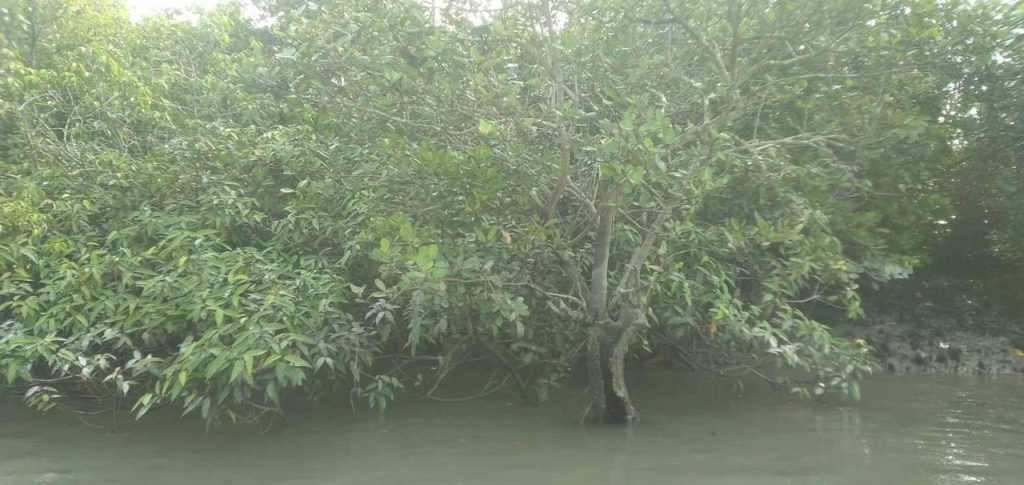
Image: A view of the Sundarbans at high tide
Community Engagement and Education: Raising awareness among local communities about the crucial role of bees in ecosystems and their vulnerability to climate change is essential for fostering long-term conservation efforts in the Sundarbans. Educational campaigns designed to highlight the ecological and economic benefits of bees can empower communities to take active roles in conservation. By emphasizing sustainable beekeeping practices, the importance of biodiversity, and the need for environmental stewardship, these initiatives can cultivate a culture of conservation. Community engagement in climate adaptation strategies is vital for building resilience against environmental changes. Programs that promote alternative livelihoods, such as agroforestry and eco-tourism, can help reduce dependence on honey production, thus providing economic stability while preserving bee populations. These initiatives not only enhance local economies but also encourage sustainable resource management practices. Collaborative workshops, training sessions, and outreach activities can serve as platforms for sharing knowledge and skills related to beekeeping, habitat restoration, and sustainable harvesting. Involving local stakeholders in conservation planning ensures that their needs and traditional knowledge are incorporated, fostering a sense of ownership and responsibility toward the environment. By integrating educational efforts with hands-on activities and community-led initiatives, awareness about the vital role of bees can lead to proactive conservation actions. Empowering local communities through education and engagement will not only safeguard bee populations but also enhance the resilience of the ecosystems and livelihoods dependent on them.
Global and Regional Relevance: The economic and environmental challenges faced by the Sundarbans epitomize broader global issues of biodiversity loss, climate change, and sustainable development. These challenges underscore the importance of integrated approaches that align with the United Nations Sustainable Development Goals (SDGs), particularly SDG 13 (Climate Action) and SDG 15 (Life on Land). Protecting the Sundarbans, its vital bee populations, and the livelihoods of local communities not only contributes to regional sustainability but also supports international goals for biodiversity conservation and climate resilience. Bees serve as crucial pollinators within the Sundarbans’ mangrove ecosystem, playing an essential role in maintaining biodiversity and providing local communities with significant economic benefits through honey and wax production. However, this delicate balance is increasingly threatened by climate change, habitat degradation, and socioeconomic pressures. Urgent action is needed to safeguard bee populations and conserve the rich biodiversity of this unique ecosystem, as millions of people depend on its resources for their livelihoods. The international community, including organizations like the Food and Agriculture Organization (FAO) and the United Nations Environment Programme (UNEP), must prioritize vulnerable ecosystems like the Sundarbans by offering technical and financial support for conservation and sustainable development initiatives. By leveraging global funding mechanisms and policy frameworks, such as the Paris Agreement, both Bangladesh and India can enhance climate resilience and biodiversity conservation efforts. The preservation of the Sundarbans is a pressing global concern that transcends regional boundaries. An integrated strategy that combines conservation, sustainable development, and climate resilience can help ensure a harmonious future for bees, local communities, and the ecosystem itself. In this context, the Sundarbans can serve as a model for other regions facing similar challenges, demonstrating the importance of collaborative, multi-level efforts in addressing the interconnected issues of biodiversity, climate change, and sustainable livelihoods.
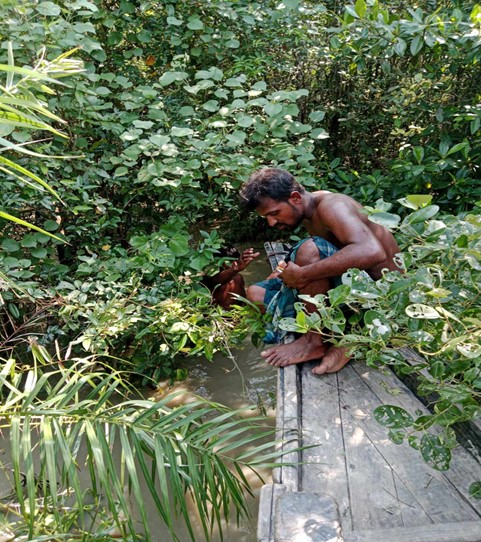
Image: A bond with the Sundarbans in livelihood
In conclusion, bees are integral to the ecological and economic fabric of the Sundarbans, providing essential ecosystem services that sustain biodiversity and local livelihoods. As climate change and habitat degradation intensify, immediate and coordinated action is necessary to protect these vital pollinators and their habitats. A holistic approach that integrates conservation efforts, sustainable economic practices, and climate adaptation strategies is critical for fostering resilience in both bee populations and the communities that rely on them. By leveraging local, national, and global collaboration, particularly between Bangladesh and India, stakeholders can implement effective solutions that not only restore mangrove ecosystems but also ensure the long-term viability of beekeeping as a sustainable livelihood. This report synthesizes one year of field observations and scientific insights to offer practical strategies for addressing the pressing economic and environmental challenges facing the Sundarbans, emphasizing the urgent need for collective action to safeguard this unique and invaluable ecosystem for future generations.
Dr. Santosh Mazumdar
iBOL Postdoctoral Research Fellow, and
Founder: Environment and Community Development Embed (ENCODE) (www.encodeworld.org)).
E-mail: mazumdarsantosh@gmail.com
Supportive references
Baldock, K. C., et al. (2019). The Nature of Pollinators and their Contribution to Ecosystem Services. Ecological Reviews, 25(5), 1151-1173.
Bangladesh Meteorological Department. (2021). Annual Climatic Report for Bangladesh.
Bangladesh Agriculture Research Institute (BARI). (2019). Sustainable Beekeeping Practices in Coastal Regions of Bangladesh.
Climate Change Cell, Bangladesh Ministry of Environment. (2021). Impacts of Climate Change on Livelihoods in Coastal Areas.
Food and Agriculture Organization (FAO). (2020). Enhancing Resilience of Mangrove Ecosystems through Sustainable Beekeeping.
Food and Agriculture Organization (FAO). (2021). The Importance of Beekeeping in Rural Development and the Economy.
Food and Agriculture Organization (FAO). (2021). Mangrove Conservation and Climate Adaptation Strategies.
Government of India. (2021). National Bee Board: Annual Report on Honey Production. Retrieved from NBB.
India Meteorological Department. (2021). Climate Change Trends in the Indian Sundarbans.
Intergovernmental Panel on Climate Change (IPCC). (2021). Climate Change 2021: Impacts, Adaptation, and Vulnerability. Retrieved from IPCC.
International Institute for Genomic Research. (2021). DNA Barcoding and Genetic Diversity of Pollinators in the Sundarbans.
International Pollinator Initiative. (2019). Bee Conservation in the Sundarbans: A Socioeconomic Perspective.
International Union for Conservation of Nature (IUCN). (2021). Biodiversity Loss in the Sundarbans: The Role of Bees.
Klein, A. M., et al. (2007). Importance of Pollinators in Changing Environments: A Global Perspective. Biological Conservation, 139(3-4), 199-206. DOI: 10.1016/j.biocon.2007.01.004
National Bee Board (NBB). (2021). Promoting Sustainable Beekeeping Practices in India.
National Beekeeping & Honey Mission (NBHM). (2021). Strengthening Rural Livelihoods through Beekeeping.
Potts, S. G., et al. (2010). Global pollinator declines: trends, impacts and drivers. Trends in Ecology & Evolution, 25(6), 345-353. DOI: 10.1016/j.tree.2010.01.007
Rahman, M., et al. (2019). Pollination Services of the Mangrove Forests: The Role of Bees in the Sundarbans Ecosystem. Journal of Mangrove Ecology, 21(2), 133-145.
Rahman, M., et al. (2020). Impact of Rising Salinity on Mangrove Ecosystems in the Sundarbans. Journal of Mangrove Studies, 15(3), 120-135.
United Nations Development Programme (UNDP). (2021). Cross-Border Conservation in the Sundarbans: Lessons and Strategies.
United Nations Environment Programme (UNEP). (2020). Protecting Pollinators: A Global Response to Pollination Decline.
United Nations. (2015). Sustainable Development Goals.
World Bank. (2020). Climate Adaptation Strategies for Coastal Communities in South Asia.